JMS Yachting

JMS YACHTING

Crew Relief Scheduling

Optimized Insights for Charter Businesses

Comprehensive Charter Revenue Accounting Solutions

Charter Revenue Accounting refers to the detailed process of recording, managing, and analyzing income generated from charter services. This includes yacht charters, airline charters, and transportation operations that rely on flexible scheduling and diverse client contracts. The key goal is to ensure accurate financial reporting while optimizing profitability and compliance. Businesses in this niche need systematic accounting methods to handle fluctuating bookings, varied pricing, and multiple service periods. Proper implementation of Charter Revenue Accounting helps organizations gain clearer insights into their cash flow, performance, and financial obligations, ensuring long-term fiscal stability and operational transparency in a competitive market.

Understanding Charter Revenue Accounting

Effective Charter Revenue Accounting depends on recognizing revenue under applicable accounting standards such as IFRS 15 or ASC 606. These frameworks define when and how revenue should be recorded, especially when contracts include complex performance obligations. For charter companies, understanding charter duration, payment terms, and additional service fees is critical. Allocation of transaction prices and recognition of income over time or upon completion ensures compliance and accuracy. Components like deferred revenue, unearned income, and accrued revenue require careful treatment. Adhering to these standards allows consistent financial statements, enhances investor confidence, and facilitates regulatory reporting necessary for international charter operations.

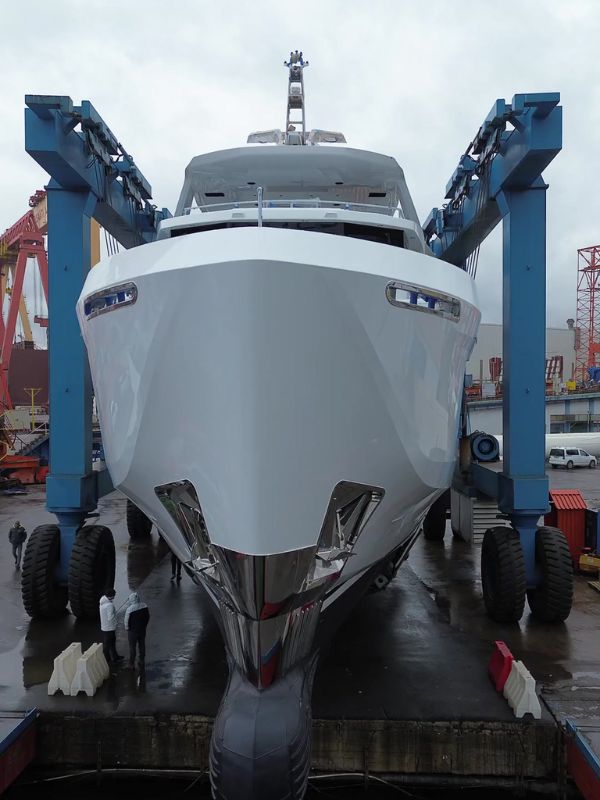
ADMIRAL 75M KENSHO OPERATIONAL & TECHNICAL

Key Components and Standards

Companies applying Charter Revenue Accounting often face challenges related to varying contracts, seasonal demand, and multi-currency operations. Different charter agreements may involve multiple deliverables such as crew services, on-board amenities, and destination costs. Misalignment between revenue recognition and cash receipts can create discrepancies. Additionally, fluctuating exchange rates and regulatory constraints affect financial clarity. Maintaining accuracy across global operations demands robust accounting software and specialized knowledge of industry-specific financial practices. Properly addressing these issues prevents revenue leakage, reduces audit risks, and supports better strategic planning. Overcoming these challenges through automation and standardization ensures smoother financial processes and enhanced transparency for all stakeholders involved.

ADMIRAL 75M KENSHO OPERATIONAL & TECHNICAL

Challenges in Charter Accounting

Accurate Charter Revenue Accounting delivers measurable business advantages beyond compliance. Businesses leveraging precise accounting systems experience improved decision-making, predictable cash flows, and enhanced profitability. Financial transparency helps management plan investments and manage resources effectively. Furthermore, it promotes trust among partners, clients, and regulators. Timely recognition of revenue prevents over or underestimation of earnings, minimizing audit issues and corrections. Consistent financial tracking also assists in identifying profitable service lines and detecting underperforming segments. For expanding charter operators, correct accounting ensures scalability and competitiveness, improving long-term financial growth while demonstrating professional and ethical management of business performance and customer contracts under modern accounting frameworks.

ADMIRAL 75M KENSHO CREW RECRUITMENT

Benefits of Accurate Accounting

Technology plays a vital role in modern Charter Revenue Accounting. Automation tools, integrated enterprise resource planning (ERP) systems, and specialized accounting software streamline revenue processes and minimize manual errors. Automated platforms track bookings, calculate income based on milestone completions, and sync payments in real-time. This improves reporting accuracy and frees staff to focus on analytical tasks. Implementing digital solutions ensures compliance with revenue recognition standards while enhancing workflow efficiency. Real-time dashboards provide actionable insights, enabling data-driven decisions and quicker responses to market changes. Automation transforms traditional charter accounting into a dynamic, responsive process aligned with global operational and financial demands in today’s charter industry.

ADMIRAL 75M KENSHO CREW RECRUITMENT

A FEW KIND WORDS

From our clients...

THE POWER BEHIND JMS YACHTING

Meet Your Worldwide Specialists

Effective global yacht management depends on being present and responsive in every time zone. Unlike many providers that rely on a single office with limited support desks, JMS Yachting operates from five fully resourced international locations. This ensures that Owners and Captains have access to comprehensive services, expertise, and decision-making power 24/7. By maintaining this global presence, JMS Yachting provides seamless continuity, offering the confidence that your yacht operations are supported by an experienced team wherever you sail.

Let us introduce you to the people behind your peace of mind – the specialists at JMS Yachting .

Franc Jansen, team member at JMS Yachting

Franc Jansen

Founder, Managing Director

Sam Thompson, team member at JMS Yachting

Sam Thompson

Group Commercial Director

Crew Relief Scheduling

See Some Of Our Clients’ Most FAQs

Yacht-related image from JMS Yachting website
What is Charter Revenue Accounting used for?

Charter Revenue Accounting is used to record and manage income generated from charter operations, including transportation and leisure charters. It ensures accurate financial tracking, compliance with accounting standards, and transparency in revenue reporting, ultimately helping businesses make informed decisions and maintain consistent profitability performance.

How does automation improve charter revenue accounting?

Automation enhances Charter Revenue Accounting by minimizing human errors, improving data accuracy, and accelerating reporting cycles. It integrates booking, invoicing, and financial systems, providing real-time visibility. Automated systems make revenue recognition more consistent, ensure regulatory compliance, and support scalable operations for growing charter service businesses globally.


Which accounting standards apply to charter income?

Charter Revenue Accounting commonly follows IFRS 15 or ASC 606 standards, depending on jurisdiction. These frameworks define revenue recognition rules based on performance obligations and timing of delivery. Applying them ensures that charter companies record earnings accurately, improving transparency and compliance with financial reporting regulations worldwide.

What challenges affect charter revenue recognition?

Challenges in Charter Revenue Accounting include complex contracts, variable charter durations, multi-currency transactions, and regulatory differences. Managing deferred and unearned revenue correctly is crucial. Inconsistent processes or manual calculations can cause reporting errors, making standardized accounting systems and automation essential for smooth revenue recognition operations.

How does charter revenue accounting benefit businesses?

Charter Revenue Accounting benefits businesses by providing transparent financial insights, supporting regulatory compliance, and enhancing decision-making. Accurate revenue tracking improves cash flow forecasting, strengthens partner trust, and reduces audit risks. Consistent accounting enables efficient operations, improved profitability, and informed planning for sustainable business growth.

Why is deferred revenue important in charters?

Deferred revenue in Charter Revenue Accounting represents payments received before service fulfillment. Proper management ensures income is recognized when the charter service is provided. This approach prevents premature revenue reporting, aligns with compliance standards, and provides a clear reflection of true business performance within financial statements.

Can charter companies use ERP for accounting?

Yes, enterprise resource planning (ERP) systems are highly effective in Charter Revenue Accounting. They centralize data, automate billing, and synchronize financial processes. ERP integration ensures timely revenue recognition, enhances operational efficiency, supports compliance, and allows charter companies to make data-driven financial decisions effortlessly and accurately.

New To Yacht Ownership?

Your most common questions, answered clearly.

View some of our clients most FAQs.

EXPLORE THE FULL RANGE OF JMS YACHTING SPECIALISED SERVICES

Over 200 Years’ Experience At Your Fingertips


Discover more

Discover more

Discover more

Discover more

Discover more

Discover more

Discover more

Discover more

Discover more

Discover more
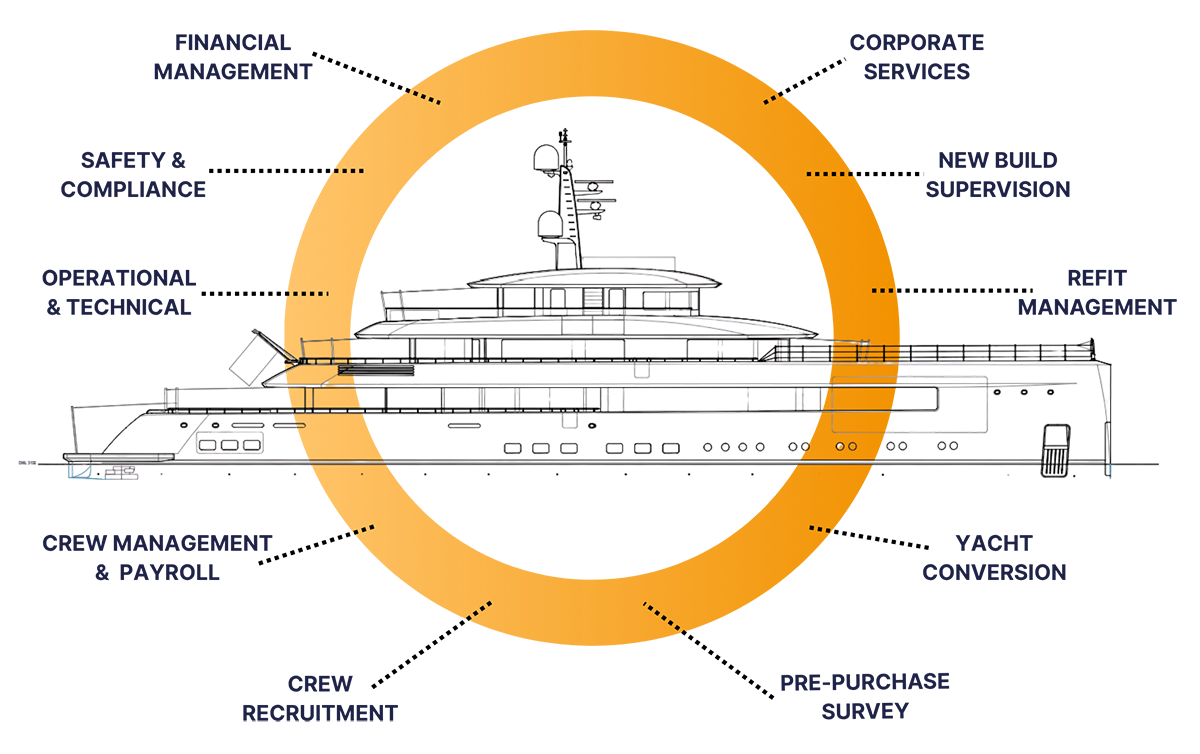
JMS Yachting circular brand graphic

Still Not Sure?

In life, you never know until you ask.

As Master Mariners, not sales people, we are here to guide you.

How can we help?

Name
Preferred Office Location