JMS Yachting

JMS YACHTING

Owner Asset Reporting

Optimized Solutions for Owner Asset Reporting

Comprehensive Guide to Effective Owner Asset Reporting

Owner Asset Reporting plays a fundamental role in managing, tracking, and analyzing business or personal property data efficiently. It enables owners to maintain complete visibility of their holdings, financial performance, and resource utilization. This reporting process is essential for accountability and compliance with industry regulations. By integrating robust digital tools, organizations can streamline their asset documentation and make data-driven decisions. A powerful Owner Asset Reporting system ensures transparency, reduces administrative workload, and facilitates proactive risk management through real-time dashboards that highlight performance metrics, asset valuation trends, depreciation records, and ownership history throughout the asset lifecycle.

Understanding Owner Asset Reporting

In the modern corporate world, the significance of Owner Asset Reporting extends beyond recordkeeping. It establishes financial discipline by giving companies clarity about their tangible and intangible resources. With precise asset reports, decision-makers can optimize investments and allocate budgets more strategically. This systematic reporting also enhances operational efficiency by revealing underutilized properties and assets that can be repurposed or sold. Furthermore, maintaining standardized reports supports organizations during audits, mergers, or acquisitions, ensuring data integrity and trustworthiness. Through accurate Owner Asset Reporting, businesses gain improved forecasting capabilities and strengthen governance structures that directly contribute to sustainable growth and financial accountability.

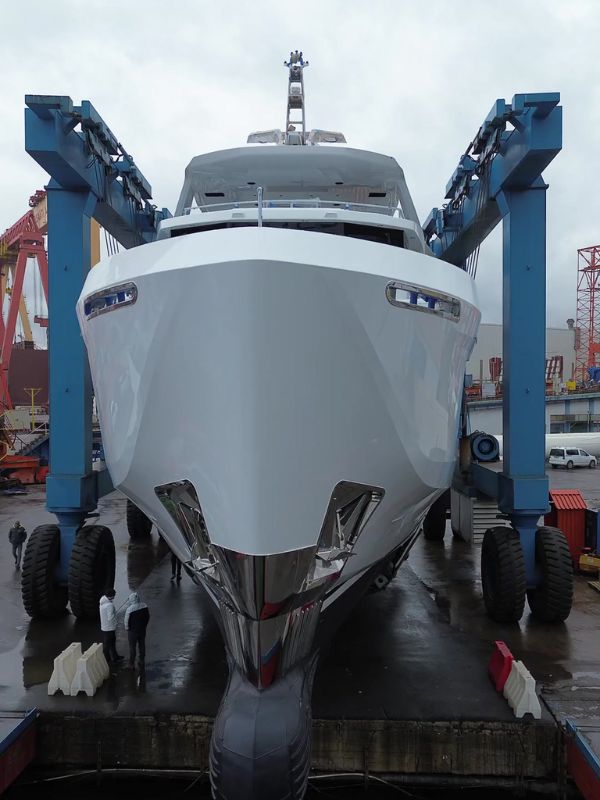
ADMIRAL 75M KENSHO OPERATIONAL & TECHNICAL

Importance in Business Operations

Modern Owner Asset Reporting systems leverage technologies such as cloud computing, artificial intelligence, and blockchain for increased transparency and security. These technologies allow instant sharing and collaboration across departments, ensuring the latest records are accessible in real-time. Blockchain’s immutable ledger can guarantee data authenticity, while AI automates repetitive tasks such as depreciation calculation and performance tracking. Cloud-based solutions simplify integration with accounting or enterprise resource planning systems. As a result, companies can monitor their assets from multiple locations with precision. When implemented effectively, digital Owner Asset Reporting improves data reliability, simplifies audits, and assists in meeting strict compliance frameworks globally.

ADMIRAL 75M KENSHO OPERATIONAL & TECHNICAL

Technology Empowering Transparency

Owner Asset Reporting directly supports compliance efforts and risk management strategies. Comprehensive reporting allows organizations to meet national and international standards regarding asset depreciation, insurance, and taxation. Proper reporting ensures accountability during inspections and demonstrates regulatory transparency. Companies can minimize potential legal risks by accurately recording ownership details and asset performance. The process also strengthens internal control mechanisms by identifying discrepancies like asset loss, misuse, or valuation inaccuracies. When integrated with compliance management tools, Owner Asset Reporting aids in maintaining accurate records, protecting business credibility, and supporting corporate governance principles across various financial and operational domains effectively.

ADMIRAL 75M KENSHO CREW RECRUITMENT

Compliance and Risk Management

To establish a successful Owner Asset Reporting framework, businesses must adopt standardized practices and policies. Start by defining asset categories, implementing identification tags, and determining reporting frequency. Automation through digital software can significantly reduce manual errors and enhance efficiency. Regular training for teams ensures that everyone understands compliance requirements and data protection protocols. Periodic audits and updates to the reporting system maintain accuracy and adaptability as organizational needs evolve. Utilizing performance dashboards, configurable templates, and custom reports makes it easier to analyze asset health and value trends. Consistent Owner Asset Reporting practices ultimately drive informed decision-making and long-term profitability.

ADMIRAL 75M KENSHO CREW RECRUITMENT

A FEW KIND WORDS

From our clients...

THE POWER BEHIND JMS YACHTING

Meet Your Worldwide Specialists

Effective global yacht management depends on being present and responsive in every time zone. Unlike many providers that rely on a single office with limited support desks, JMS Yachting operates from five fully resourced international locations. This ensures that Owners and Captains have access to comprehensive services, expertise, and decision-making power 24/7. By maintaining this global presence, JMS Yachting provides seamless continuity, offering the confidence that your yacht operations are supported by an experienced team wherever you sail.

Let us introduce you to the people behind your peace of mind – the specialists at JMS Yachting .

Franc Jansen, team member at JMS Yachting

Franc Jansen

Founder, Managing Director

Sam Thompson, team member at JMS Yachting

Sam Thompson

Group Commercial Director

Owner Asset Reporting

See Some Of Our Clients’ Most FAQs

Yacht-related image from JMS Yachting website
What is the meaning of Owner Asset Reporting?

Owner Asset Reporting refers to the structured process of recording, tracking, and analyzing all owned assets. It ensures visibility over financial and physical resources, facilitates accountability, and supports data-driven decision-making. The process delivers transparency, minimizes risks, and streamlines compliance through accurate and updated reporting systems.

Why is Owner Asset Reporting important for businesses?

Owner Asset Reporting helps organizations maintain accurate asset data and enhance operational efficiency. It allows leaders to track usage, reduce costs, identify underperforming assets, and ensure proper insurance and compliance coverage. Effective reporting also assists with financial planning, improving audit readiness and overall business transparency significantly.

How does technology enhance Owner Asset Reporting?

Technological tools such as AI, blockchain, and cloud platforms improve the efficiency of Owner Asset Reporting. These innovations eliminate manual errors, provide real-time monitoring, automate calculations, and enhance data accuracy. Technology-driven solutions ultimately support improved governance, simplified audits, and secure, transparent asset management processes seamlessly.


What are the main elements of Owner Asset Reporting?

The core elements of Owner Asset Reporting include asset identification, valuation, ownership details, depreciation tracking, and performance metrics. These data points enable organizations to maintain accurate records for audits, budgeting, and compliance. Proper integration of these components ensures transparency and effective asset lifecycle management across departments efficiently.

How does Owner Asset Reporting ensure compliance?

Owner Asset Reporting ensures compliance by maintaining detailed documentation of all assets according to regulatory standards. It supports audits, taxation, and insurance requirements while minimizing discrepancies. Consistent reporting enables organizations to demonstrate transparency, follow financial laws, and strengthen internal control systems for accountability and governance purposes.

Who can benefit from Owner Asset Reporting systems?

Businesses, government organizations, non-profits, and individual property owners benefit from Owner Asset Reporting systems. These platforms provide valuable insights for financial planning, help manage inventories effectively, and improve accountability. Regardless of industry size, accurate reporting fosters asset optimization, smarter resource allocation, and higher return on investments.

What should be included in Owner Asset Reporting software?

Owner Asset Reporting software should include asset lists, valuation tools, depreciation calculators, security access features, and data analytics dashboards. Integration capabilities with accounting systems ensure smooth data flow. A strong reporting tool enhances decision-making, supports compliance obligations, and improves visibility across all owned assets effortlessly and securely.

New To Yacht Ownership?

Your most common questions, answered clearly.

View some of our clients most FAQs.

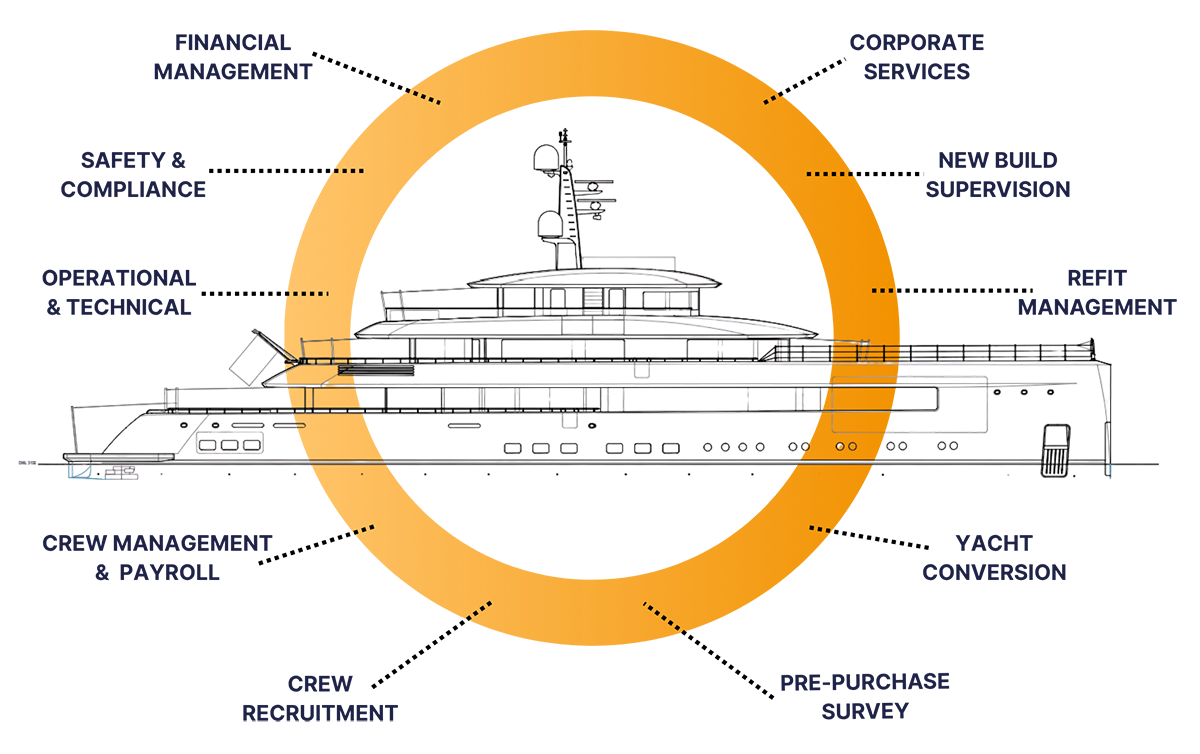
EXPLORE THE FULL RANGE OF JMS YACHTING SPECIALISED SERVICES

Over 200 Years’ Experience At Your Fingertips


Discover more

Discover more

Discover more

Discover more

Discover more

Discover more

Discover more

Discover more

Discover more

Discover more
JMS Yachting circular brand graphic

Still Not Sure?

In life, you never know until you ask.

As Master Mariners, not sales people, we are here to guide you.

How can we help?

Name
Preferred Office Location