JMS Yachting

JMS YACHTING

Vessel Lifecycle Planning

Comprehensive Guide to Vessel Lifecycle Planning

Optimizing Maritime Operations through Vessel Lifecycle Planning

Vessel Lifecycle Planning refers to the strategic process of managing a ship from its design phase through operation, maintenance, and eventual decommissioning. It integrates engineering, data analytics, and financial planning to ensure that every stage of a vessel’s life is optimized for performance and sustainability. Implementing effective Vessel Lifecycle Planning mitigates risks, reduces operational costs, and enhances decision-making. As global maritime industries evolve, a well-structured lifecycle plan supports long-term profitability and compliance with environmental regulations, making it a vital component of modern fleet management strategies.

Understanding Vessel Lifecycle Planning

The Vessel Lifecycle Planning process consists of multiple interconnected phases—design, construction, operation, maintenance, and disposal. During the design phase, advanced tools are used to ensure efficiency and safety standards. The construction stage focuses on material selection and compliance. In the operational phase, real-time monitoring optimizes performance and energy use. Maintenance planning extends the ship’s lifespan, while sustainable disposal practices reduce environmental impact. Understanding these phases helps maritime organizations develop a holistic lifecycle plan that ensures maximum vessel utility, regulatory compliance, and improved cost management.

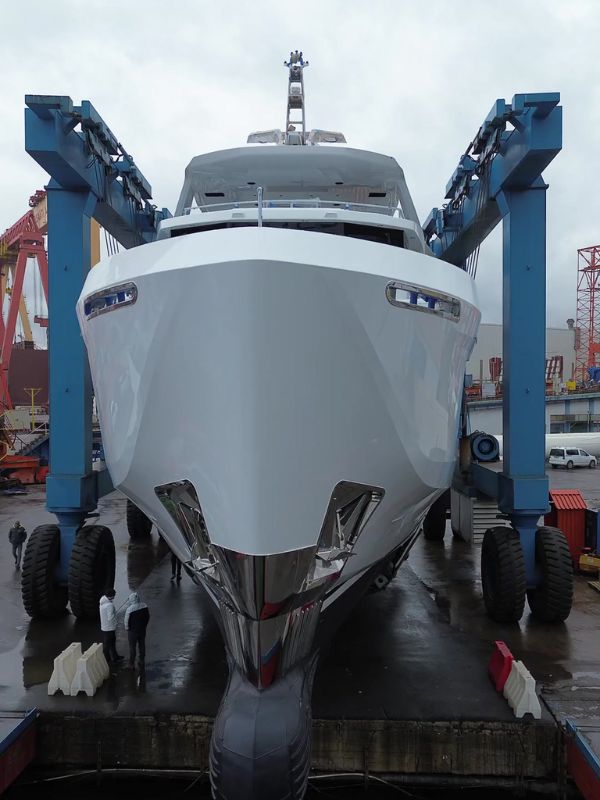
ADMIRAL 75M KENSHO OPERATIONAL & TECHNICAL

Key Phases of the Vessel Lifecycle

In maritime management, Vessel Lifecycle Planning serves as a foundation for effective asset utilization and risk control. It aligns technical operations with financial performance targets by providing a structured overview of vessel health and efficiency. With proper lifecycle strategies, companies can forecast maintenance schedules, allocate budgets accurately, and prevent costly downtime. Additionally, Vessel Lifecycle Planning encourages the adoption of sustainable practices by balancing operational needs with environmental responsibilities. Ship owners who invest in lifecycle planning gain enhanced reliability, increased resale value, and better assurance of safety and compliance across their fleets.

ADMIRAL 75M KENSHO OPERATIONAL & TECHNICAL

Importance in Maritime Management

Modern Vessel Lifecycle Planning leverages digital transformation through software platforms, sensors, and predictive analytics. These technologies enable real-time data gathering from onboard systems, allowing operators to make proactive decisions. Digital twins and AI-driven insights enhance predictive maintenance, fuel optimization, and route management. Incorporating technology into Vessel Lifecycle Planning reduces inefficiencies and supports evidence-based decision-making across departments. As maritime technology evolves, integrating automation and cloud-based systems ensures transparency, data accuracy, and long-term asset performance—strengthening a company’s competitive position in the global shipping landscape.

ADMIRAL 75M KENSHO CREW RECRUITMENT

Technology and Digital Transformation

Sustainability is at the core of modern Vessel Lifecycle Planning. With stricter environmental policies and emission reduction goals, ships must adopt eco-friendly designs, cleaner fuels, and improved waste management systems. Lifecycle planning helps track environmental performance, allowing operators to meet International Maritime Organization (IMO) standards efficiently. It also encourages investments in retrofitting and recycling technologies to reduce carbon footprint throughout a vessel’s life. By integrating sustainability principles into planning, the maritime sector can achieve long-term viability, reduced pollution, and strengthened brand reputation within responsible shipping networks.

ADMIRAL 75M KENSHO CREW RECRUITMENT

A FEW KIND WORDS

From our clients...

THE POWER BEHIND JMS YACHTING

Meet Your Worldwide Specialists

Effective global yacht management depends on being present and responsive in every time zone. Unlike many providers that rely on a single office with limited support desks, JMS Yachting operates from five fully resourced international locations. This ensures that Owners and Captains have access to comprehensive services, expertise, and decision-making power 24/7. By maintaining this global presence, JMS Yachting provides seamless continuity, offering the confidence that your yacht operations are supported by an experienced team wherever you sail.

Let us introduce you to the people behind your peace of mind – the specialists at JMS Yachting .

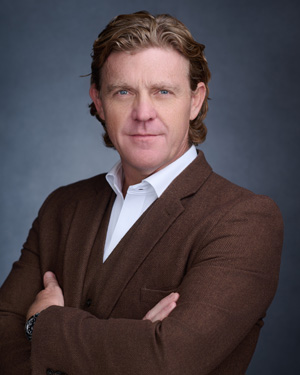
Franc Jansen, team member at JMS Yachting

Franc Jansen

Founder, Managing Director

Sam Thompson, team member at JMS Yachting

Sam Thompson

Group Commercial Director

Vessel Lifecycle Planning

See Some Of Our Clients’ Most FAQs

Yacht-related image from JMS Yachting website
What is meant by Vessel Lifecycle Planning?

Vessel Lifecycle Planning is the systematic management of a ship’s entire lifespan—from concept and design to decommissioning. It ensures efficiency, cost-effectiveness, and sustainability by integrating data-driven decisions and maintenance strategies throughout each operational phase of the vessel’s lifecycle.

Why is Vessel Lifecycle Planning important for shipowners?

Vessel Lifecycle Planning helps shipowners enhance asset performance, reduce maintenance costs, and comply with regulations. It allows proactive decision-making, optimizing budget allocation while ensuring sustainability and operational efficiency throughout the vessel’s service life across various maritime operations.

How does technology improve Vessel Lifecycle Planning?

Technology enhances Vessel Lifecycle Planning through real-time data monitoring, predictive analytics, and automation tools. These innovations help reduce downtime, increase safety, and optimize fuel efficiency while supporting proactive maintenance scheduling and improving overall vessel performance across its entire lifecycle.

What are the major stages of Vessel Lifecycle Planning?

The major stages of Vessel Lifecycle Planning include design, construction, operation, maintenance, and decommissioning. Each stage contributes to efficiency, cost control, and environmental compliance, ensuring the vessel’s long-term reliability, safety, and operational excellence within a competitive maritime environment.


How does Vessel Lifecycle Planning support sustainability?

Vessel Lifecycle Planning integrates sustainable practices like energy efficiency, emission reduction, and recycling. It ensures compliance with environmental regulations and promotes eco-friendly ship design, waste management, and fuel optimization, helping maritime operators achieve greener and more responsible operations overall.

Can Vessel Lifecycle Planning reduce operational costs?

Yes, effective Vessel Lifecycle Planning significantly reduces operational costs by optimizing resources, forecasting maintenance, and preventing unplanned downtime. It also improves fuel management and equipment efficiency, resulting in long-term savings, enhanced profitability, and reliable vessel operation across global maritime sectors.

Emerging trends impacting Vessel Lifecycle Planning include artificial intelligence, automation, and digital twins. These technologies enhance predictive maintenance, sustainability reporting, and decision-making accuracy, paving the way for smarter, data-driven maritime operations and improved asset management across vessel lifecycles.

New To Yacht Ownership?

Your most common questions, answered clearly.

View some of our clients most FAQs.

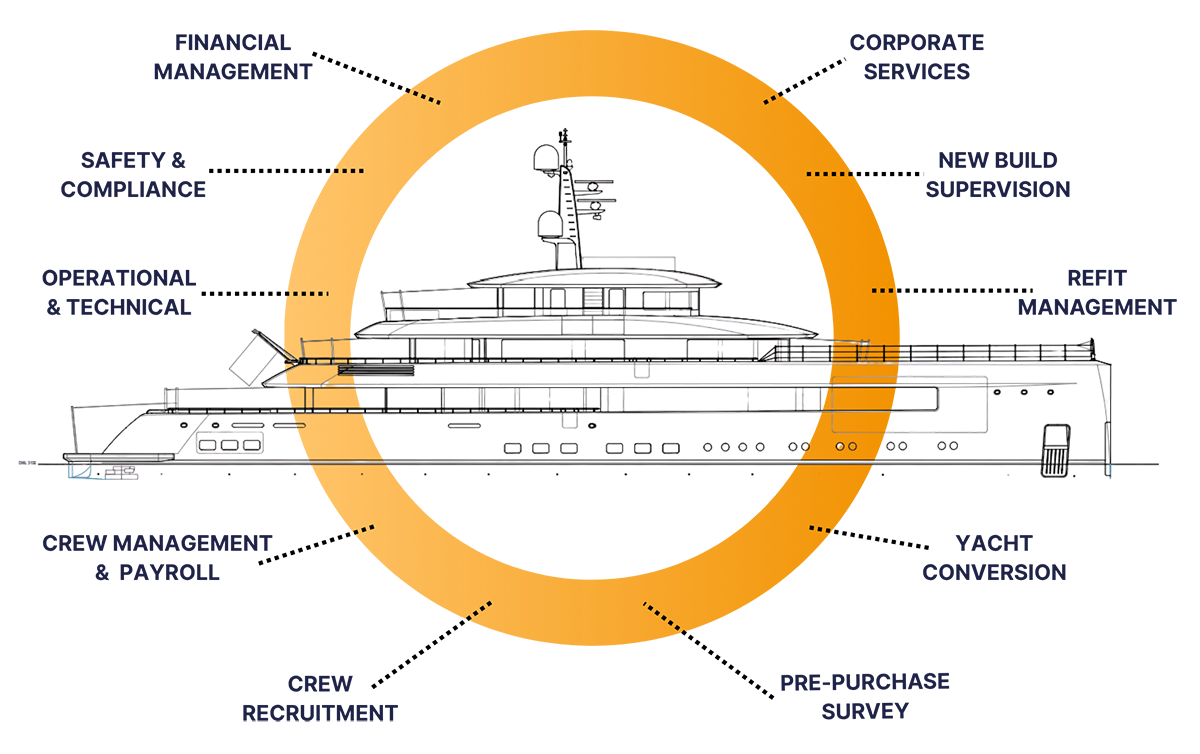
EXPLORE THE FULL RANGE OF JMS YACHTING SPECIALISED SERVICES

Over 200 Years’ Experience At Your Fingertips


Discover more

Discover more

Discover more

Discover more

Discover more

Discover more

Discover more

Discover more

Discover more

Discover more
JMS Yachting circular brand graphic

Still Not Sure?

In life, you never know until you ask.

As Master Mariners, not sales people, we are here to guide you.

How can we help?

Name
Preferred Office Location