JMS Yachting

JMS YACHTING

Technical Inspection Reports

Ensuring Quality and Compliance Through Expert Reporting

Comprehensive Technical Inspection Reports for Reliable Assessments

Technical Inspection Reports are crucial documents that evaluate the safety, functionality, and compliance of equipment, machinery, and infrastructure. These reports provide detailed analyses based on standardized inspection procedures, helping organizations identify potential risks, maintenance requirements, and regulatory gaps. A well-prepared technical inspection report supports decision-making across industrial, commercial, and construction sectors. It also facilitates transparency by documenting inspection findings in a structured format. Businesses use these reports to ensure their systems operate efficiently while adhering to international standards. Professional inspection teams collect accurate data to produce comprehensive insights for effective operational improvements and quality assurance measures.

Understanding Technical Inspection Reports

A complete Technical Inspection Report contains essential sections such as introduction, inspection methodology, data analysis, and recommendations. Each section is structured to present information logically and transparently. The introduction provides context regarding inspected assets, while methodology outlines the procedures and standards followed. The analysis section interprets findings, emphasizing detected issues and potential implications. Finally, recommendations guide users on necessary corrective or preventive actions. These components ensure that every report serves as a practical tool for stakeholders, helping them make informed decisions about maintenance schedules, replacement needs, and compliance improvements. Properly detailed reports enhance accountability and safety performance monitoring.

ADMIRAL 75M KENSHO OPERATIONAL & TECHNICAL

Key Components of Reports

Technical Inspection Reports play a vital role in industrial audits where safety, quality, and compliance are paramount. Industries such as energy, manufacturing, and transportation rely on these reports to maintain consistent operational standards. They assist in identifying defects, inefficiencies, and risks before they escalate into costly failures or regulatory violations. Auditors use inspection reports to evaluate equipment performance and verify adherence to environmental and safety laws. In addition, these reports contribute to certifications and quality management systems. Maintaining updated records through periodic inspection reporting ensures traceability and enhances trust between clients, regulators, and service providers within technical environments.

ADMIRAL 75M KENSHO OPERATIONAL & TECHNICAL

Importance in Industrial Audits

Using Technical Inspection Reports is essential for demonstrating regulatory compliance across a variety of sectors. Government bodies and industry regulators often require these reports to verify adherence to performance, safety, and environmental standards. Having comprehensive documentation ensures that every technical asset meets mandatory quality benchmarks. Organizations that maintain such reports reduce the risk of fines or operational shutdowns due to non-compliance. Additionally, regular inspections backed by robust reporting improve transparency and support audits or inspections conducted by external agencies. Ultimately, technical inspection reporting bridges the gap between operational standards and legal expectations while promoting continual process improvement initiatives.

ADMIRAL 75M KENSHO CREW RECRUITMENT

Benefits for Regulatory Compliance

When choosing an inspection service provider for Technical Inspection Reports, it’s important to consider experience, accreditation, and sector specialization. Reliable inspectors possess deep technical knowledge and certifications that meet international norms. They utilize modern diagnostic tools and digital reporting systems to ensure accuracy and consistency. Clients should also assess whether the provider offers tailored reporting solutions suitable for their specific equipment or process requirements. A dependable inspection firm delivers unbiased assessments and clear recommendations, ensuring transparency throughout the reporting process. Partnering with qualified experts guarantees that each technical inspection report reflects true performance levels and supports effective decision-making.

ADMIRAL 75M KENSHO CREW RECRUITMENT

A FEW KIND WORDS

From our clients...

THE POWER BEHIND JMS YACHTING

Meet Your Worldwide Specialists

Effective global yacht management depends on being present and responsive in every time zone. Unlike many providers that rely on a single office with limited support desks, JMS Yachting operates from five fully resourced international locations. This ensures that Owners and Captains have access to comprehensive services, expertise, and decision-making power 24/7. By maintaining this global presence, JMS Yachting provides seamless continuity, offering the confidence that your yacht operations are supported by an experienced team wherever you sail.

Let us introduce you to the people behind your peace of mind – the specialists at JMS Yachting .

Franc Jansen, team member at JMS Yachting

Franc Jansen

Founder, Managing Director

Sam Thompson, team member at JMS Yachting

Sam Thompson

Group Commercial Director

Technical Inspection Reports

See Some Of Our Clients’ Most FAQs

Yacht-related image from JMS Yachting website
What are Technical Inspection Reports used for?

Technical Inspection Reports are used to assess, document, and verify the condition, safety, and compliance of machinery, infrastructure, and equipment. They guide maintenance planning, help meet regulatory standards, and provide valuable insights that ensure operational reliability and enhance overall quality management across diverse industrial applications.


Who typically prepares Technical Inspection Reports?

Certified inspectors, engineers, or third-party auditing organizations generally prepare Technical Inspection Reports. These professionals possess relevant technical expertise, standardized methodologies, and sector-specific knowledge to ensure accurate assessment, impartial evaluations, and compliance with international safety and quality management requirements for different equipment or systems.

How often should inspection reports be conducted?

The frequency of Technical Inspection Reports depends on asset type, operational environment, and regulatory requirements. Generally, they should be performed annually or per service intervals specified by agencies. Regular inspections maintain performance reliability and minimize risks through ongoing monitoring, documentation, and proactive corrective actions.

What information is included in these reports?

Technical Inspection Reports typically include details such as inspection methodologies, measurements, observed conditions, risk evaluations, and recommended actions. They also incorporate photographs, calibration data, and compliance references to ensure clear, transparent, and traceable reporting that supports maintenance decisions and quality assurance processes efficiently.

Why are Technical Inspection Reports important for compliance?

Technical Inspection Reports are essential for compliance because they demonstrate adherence to legal, environmental, and safety standards. Regulators require these reports as proof of due diligence. Maintaining accurate reports helps avoid penalties, strengthens operational accountability, and supports continual improvement through transparent documentation and effective risk management.

How can companies improve inspection reporting?

Companies can improve Technical Inspection Reports by adopting digital tools, employing trained inspectors, and following international standards. Regular staff training and data-driven analysis enhance report quality, clarity, and accuracy. Streamlined documentation also ensures faster reviews, better maintenance actions, and more reliable operational insights organization-wide.

Do digital tools enhance Technical Inspection Reports accuracy?

Yes, digital tools significantly improve the precision and consistency of Technical Inspection Reports. They enable real-time data capture, automated analysis, and easy tracking of historical records. Using digital platforms ensures standardized documentation, eliminates manual errors, and supports faster, more transparent decision-making in inspection processes.

New To Yacht Ownership?

Your most common questions, answered clearly.

View some of our clients most FAQs.

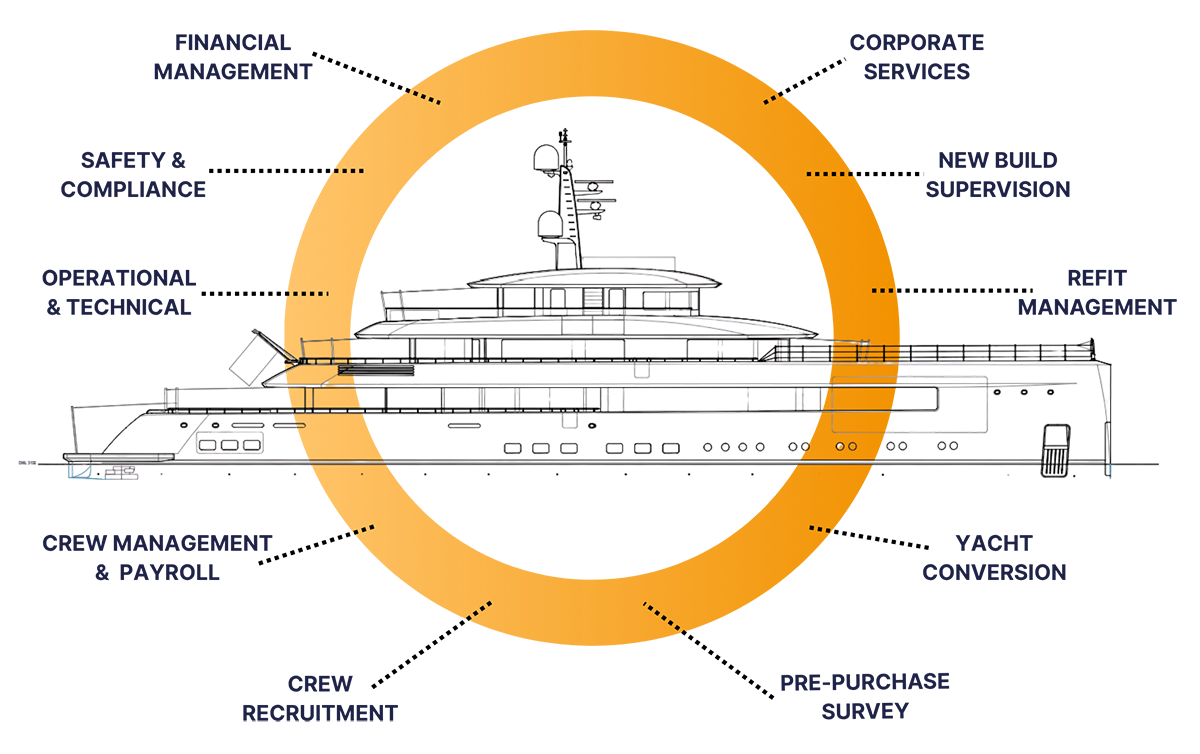
EXPLORE THE FULL RANGE OF JMS YACHTING SPECIALISED SERVICES

Over 200 Years’ Experience At Your Fingertips


Discover more

Discover more

Discover more

Discover more

Discover more

Discover more

Discover more

Discover more

Discover more

Discover more
JMS Yachting circular brand graphic

Still Not Sure?

In life, you never know until you ask.

As Master Mariners, not sales people, we are here to guide you.

How can we help?

Name
Preferred Office Location