JMS YACHTING
Technical Documentation Control
Efficient Systems for Managing Engineering Documents
Comprehensive Guide to Technical Documentation Control
Technical Documentation Control refers to the structured process of organizing, managing, and maintaining engineering and technical documents within an organization. It ensures that all design drawings, procedures, reports, and manuals are properly reviewed, approved, distributed, and archived. This control system provides clear traceability, improves compliance with standards, and facilitates effective project communication. With industries growing increasingly complex, maintaining an accurate record of every document’s version has become vital. Proper Technical Documentation Control not only prevents information loss but also enhances productivity by enabling teams to access the right information promptly, ensuring consistent quality and operational efficiency.
Understanding Documentation Control
In today’s competitive environment, Technical Documentation Control plays a critical role across sectors such as manufacturing, construction, aerospace, and energy. Each of these industries depends heavily on precise documentation to meet regulatory, safety, and quality standards. A minor error caused by outdated or uncontrolled documentation can lead to costly rework or safety incidents. By implementing structured document control systems, organizations can maintain version integrity, reduce redundancies, and ensure compliance during audits. Moreover, efficient documentation processes foster collaboration among departments and external partners. As digital transformation continues, Technical Documentation Control becomes the backbone for data integrity and decision-making accuracy throughout a project’s lifecycle.
Importance in Modern Industries
The workflow of Technical Documentation Control involves several key stages: creation, review, approval, distribution, and archiving. During creation, documents are standardized according to organizational guidelines. Next, review and approval ensure technical validity and compliance. Controlled distribution manages accessibility, while archiving preserves records for future reference. This organized flow minimizes risks associated with uncontrolled modifications and miscommunication. Automation tools further streamline this process, enabling real-time updates, access permissions, and metadata tagging. By adopting a clear workflow, organizations can enhance overall transparency, reduce administrative overhead, and maintain document authenticity across multiple projects and departments.
Core Processes and Workflow
Advancements in digital platforms have revolutionized Technical Documentation Control. Software systems now provide centralized repositories, version tracking, and secure access management. Cloud-based solutions enable global collaboration, allowing teams to share and review files from anywhere. Integration with project management and enterprise resource planning systems ensures data consistency and workflow automation. Artificial intelligence adds value by categorizing documents and predicting necessary revisions. With these tools, businesses can eliminate manual errors, ensure traceability, and achieve seamless document lifecycle management. Investing in modern documentation control technology allows organizations to operate more efficiently, meet compliance standards, and secure valuable intellectual property assets.
Tools and Technology Integration
Successful Technical Documentation Control implementation requires commitment from both management and staff. Establishing clear responsibilities, training employees, and setting document naming conventions are fundamental steps. Regular audits and version checks maintain discipline within systems, preventing unauthorized changes. Organizations should also create templates and approval hierarchies that align with regulatory requirements. Periodic system updates safeguard against technological obsolescence and security risks. Continuous improvement, supported by feedback loops, helps maintain accuracy and reliability. When integrated effectively, these practices reduce project delays, strengthen compliance readiness, and foster knowledge retention, ensuring a sustainable documentation ecosystem that aligns with long-term organizational goals and quality standards.
A FEW KIND WORDS
From our clients...
Captain, MY 45m Mangusta
You have done a fantastic job keeping track of all the receipts – I really appreciate how organized and accurate you’ve been! It’s been a pleasure working with you all, and I hope we’ll have the chance to collaborate again on a new project!
Chief Stewardess – MY 45m
Thank you so much for all your incredible help and patience – it’s been truly appreciated. I hope to be in touch again soon, wherever my next adventure at sea takes me. If not, thank you once more, Sophie. Stay safe and well.
Captain M/Y FEADSHIP
The financial management and reporting on our yacht has never been this accurate and on point as it is today with JMS Yachting.
Captain Jade 37m MY
I highly recommend Jansen Maritime Services to any yacht owner, captain, or industry professional looking for a management company that truly understands the intricacies of yachting. Their dedication, expertise, and seamless operations make yacht management stress-free, ensuring a world-class experience on the water.
Captain Alastair 55m MY
If you’re looking for a reliable, efficient, and highly professional yacht management company, look no further than JMS Yachting. I highly recommend them to any yacht owner who values exceptional service and a stress-free ownership experience!
Captain Marcus Boswell
I have worked extensively with Sam and JMS yachting over the past year, they have consistently presented excellent candidates for the positions that we have been looking to fill, who have been thoroughly vetted. They have been attentive to our requirements and assisted us in securing some excellent crew members, some at very short notice.
Captain Alex MY Khalilah
Our owner decided to change from private to commercial so we could charter Khalilah, we used JMS Yachting for the compliance management. The whole process ran smoothly, with JMS Yachting handling any issues with flag and class that arose, they also worked well in partnership with our charter brokers.
THE POWER BEHIND JMS YACHTING
Meet Your Worldwide Specialists
Effective global yacht management depends on being present and responsive in every time zone. Unlike many providers that rely on a single office with limited support desks, JMS Yachting operates from five fully resourced international locations. This ensures that Owners and Captains have access to comprehensive services, expertise, and decision-making power 24/7. By maintaining this global presence, JMS Yachting provides seamless continuity, offering the confidence that your yacht operations are supported by an experienced team wherever you sail.
Let us introduce you to the people behind your peace of mind – the specialists at JMS Yachting .





Technical Documentation Control
See Some Of Our Clients’ Most FAQs
Technical Documentation Control is used to manage, organize, and secure technical data throughout a project’s lifecycle. It ensures document accuracy, accessibility, and compliance with standards, while maintaining version control and preventing duplication or information loss across departments and stakeholders.
It is important because it ensures data accuracy, reduces errors, and supports compliance with industry standards. Effective Technical Documentation Control also enhances collaboration, protects intellectual property, and guarantees that teams always work with the latest approved documents during project execution.
Industries such as manufacturing, aerospace, construction, energy, and engineering rely heavily on Technical Documentation Control. These sectors require precise documentation to meet regulatory guidelines, ensure safety, and maintain consistent operational procedures across multiple projects and international teams.
The key features include version tracking, secure access management, review workflows, automated notifications, and digital archiving. Advanced Technical Documentation Control systems also offer role-based permissions, metadata tagging, and integration with project management tools for enhanced efficiency and compliance.
Automation enhances Technical Documentation Control by reducing manual errors, speeding up approvals, and maintaining version accuracy. Automated workflows ensure real-time updates, controlled distribution, and audit readiness, allowing organizations to save time and maintain consistent documentation standards across projects.
Without proper Technical Documentation Control, teams may face duplication, outdated information, regulatory non-compliance, and miscommunication. These issues can delay projects, cause costly rework, and compromise data integrity, significantly affecting operational performance and overall project quality standards.
Begin by defining document procedures, assigning responsibilities, and adopting specialized software. Train employees, set standard templates, and perform regular audits. Efficient Technical Documentation Control implementation relies on consistent monitoring, clear communication, and integration with existing business and quality systems.
New To Yacht Ownership?
Your most common questions, answered clearly.
View some of our clients most FAQs.
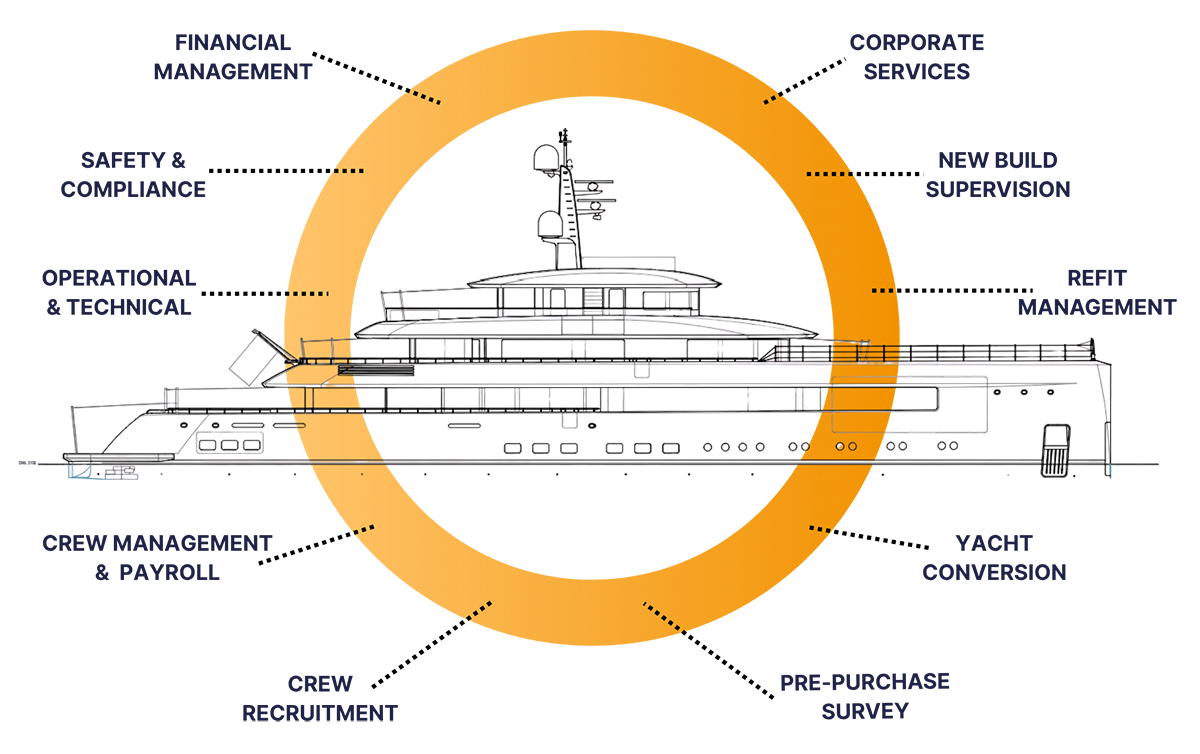
EXPLORE THE FULL RANGE OF JMS YACHTING SPECIALISED SERVICES
Over 200 Years’ Experience At Your Fingertips
Still Not Sure?
In life, you never know until you ask.
As Master Mariners, not sales people, we are here to guide you.