JMS Yachting

JMS YACHTING

Electric Propulsion Systems

Innovative Technology for Sustainable Space and Air Mobility

Electric Propulsion Systems: Redefining the Future of Mobility

Electric Propulsion Systems (EPS) represent a revolutionary shift in how vehicles, aircraft, and spacecraft are powered. These systems use electrical energy to generate thrust, replacing or supplementing traditional fuel-based engines. The technology offers improved efficiency, smoother performance, and significantly lower emissions. Unlike combustion engines, electric propulsion produces minimal noise, allowing for cleaner and more sustainable operations. The adaptability of Electric Propulsion Systems makes them vital in modern transportation, particularly in aerospace and marine industries. As energy storage and efficiency improve, EPS are set to play a crucial role in transforming global transportation networks toward cleaner, smarter, and more cost-effective mobility solutions.

Understanding Electric Propulsion Systems

The core of Electric Propulsion Systems lies in the interaction between electric power sources, propulsion units, and control mechanisms. These systems typically comprise components such as batteries, power converters, electric motors, and thrust-producing engines. Electrical energy is converted into mechanical motion or direct thrust through electromagnetic processes. The efficiency and precision of these systems ensure consistent performance with less energy waste. Additionally, advanced control electronics optimize energy distribution and propulsion stability. The modular nature of Electric Propulsion Systems makes them adaptable across multiple platforms, from satellite thrusters to hybrid-powered vehicles, offering superior endurance, precision, and cost benefits over conventional propulsion solutions.

ADMIRAL 75M KENSHO OPERATIONAL & TECHNICAL

Core Components and Functionality

Electric Propulsion Systems are gaining traction across multiple industries due to their versatility and sustainability. In aerospace, they enable satellites and spacecraft to perform orbital maneuvers with reduced fuel consumption. The aviation industry is also exploring hybrid and fully electric aircraft powered by EPS to reduce emissions. Marine transportation benefits from quiet, efficient propulsion for ships and submarines. On land, Electric Propulsion Systems are driving the next generation of electric vehicles, offering smoother acceleration and regenerative braking capabilities. Their growing adoption indicates a major shift toward renewable energy dependence, demonstrating EPS as a cornerstone of the modern sustainable transport infrastructure across sectors.

ADMIRAL 75M KENSHO OPERATIONAL & TECHNICAL

Applications Across Industries

Electric Propulsion Systems significantly contribute to reducing environmental impact while delivering economic advantages. With minimal greenhouse gas emissions and improved energy efficiency, they help decrease the carbon footprint associated with transportation and satellite operations. The operational costs are lower since electrical energy is more affordable and accessible compared to fossil fuels. Maintenance costs also reduce due to fewer mechanical parts and minimal wear. Additionally, the scalability of EPS technology supports both small and large-scale applications. These combined benefits make Electric Propulsion Systems an essential element in achieving cleaner mobility goals, promoting a global shift toward sustainable, efficient, and environmentally responsible propulsion solutions.

ADMIRAL 75M KENSHO CREW RECRUITMENT

Environmental and Economic Benefits

The future of Electric Propulsion Systems looks promising as innovation continues to accelerate. Advances in battery technology, alternative energy storage systems, and lightweight materials contribute to higher power efficiency and longer operational ranges. Research into new propulsion architectures like plasma and ion thrusters enhances performance for aerospace applications. The integration of artificial intelligence enables predictive maintenance, further extending the lifespan of EPS. As global energy policies emphasize sustainability, Electric Propulsion Systems are expected to dominate sectors where power efficiency and environmental consciousness are paramount. The ongoing evolution in electrification and automation will drive EPS toward becoming the standard propulsion technology worldwide.

ADMIRAL 75M KENSHO CREW RECRUITMENT

A FEW KIND WORDS

From our clients...

THE POWER BEHIND JMS YACHTING

Meet Your Worldwide Specialists

Effective global yacht management depends on being present and responsive in every time zone. Unlike many providers that rely on a single office with limited support desks, JMS Yachting operates from five fully resourced international locations. This ensures that Owners and Captains have access to comprehensive services, expertise, and decision-making power 24/7. By maintaining this global presence, JMS Yachting provides seamless continuity, offering the confidence that your yacht operations are supported by an experienced team wherever you sail.

Let us introduce you to the people behind your peace of mind – the specialists at JMS Yachting .

Franc Jansen, team member at JMS Yachting

Franc Jansen

Founder, Managing Director

Sam Thompson, team member at JMS Yachting

Sam Thompson

Group Commercial Director

Electric Propulsion Systems

See Some Of Our Clients’ Most FAQs

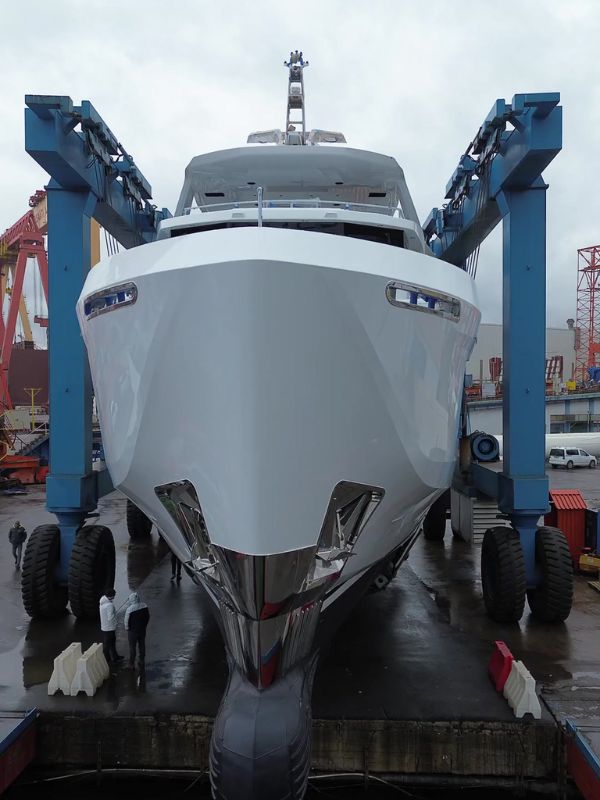
Yacht-related image from JMS Yachting website
What are Electric Propulsion Systems used for?

Electric Propulsion Systems are primarily used to generate thrust for vehicles, aircraft, and spacecraft using electrical energy instead of traditional fuels. They enable efficient power utilization, lower emissions, and improved performance across various industrial and scientific applications, including satellites, electric aircraft, marine vessels, and next-generation land vehicles.


How do Electric Propulsion Systems generate thrust?

Electric Propulsion Systems generate thrust by converting electrical energy into kinetic energy through electromagnetic fields or ionized plasma acceleration. This process propels the vehicle or spacecraft forward. Unlike chemical propulsion, it consumes minimal fuel, providing high efficiency and extended operational duration for diverse aerospace and transportation applications.

What benefits do Electric Propulsion Systems provide?

Electric Propulsion Systems offer multiple benefits, including reduced emissions, increased energy efficiency, minimized noise, and lower maintenance costs. Their modular design makes them adaptable to different industries. They also enhance long-term sustainability goals by depending on cleaner energy sources and improving operational precision compared to conventional propulsion methods.

Are Electric Propulsion Systems environmentally friendly?

Yes, Electric Propulsion Systems are significantly more environmentally friendly than traditional combustion-based engines. They emit minimal greenhouse gases, operate with higher energy efficiency, and rely on renewable electricity sources. These advantages contribute to a cleaner environment, supporting global sustainability goals and reducing dependence on depleting fossil fuel resources.

Where are Electric Propulsion Systems commonly implemented?

Electric Propulsion Systems are widely implemented in aerospace, automotive, and marine industries. They power satellites for orbital adjustments, electric and hybrid aircraft for sustainable flight, and electric ships for cleaner marine operations. Their adaptability supports both experimental and commercial transportation platforms, ensuring efficient and reliable propulsion performance everywhere.

What challenges do Electric Propulsion Systems face today?

The major challenges include energy storage limitations, high initial costs, and infrastructure availability. Improving battery capacity, reducing production costs, and expanding charging networks are crucial for broader adoption. Despite these obstacles, ongoing research continues to overcome technical barriers, making Electric Propulsion Systems increasingly viable for future applications globally.

How will Electric Propulsion Systems evolve in future?

Electric Propulsion Systems will evolve through advancements in energy storage, material science, and automation. Improvements in solid-state batteries and AI-driven control systems will increase efficiency and range. Future designs will emphasize sustainability, lightweight engineering, and integration with renewable energy, ensuring even broader adoption across transportation sectors worldwide.

New To Yacht Ownership?

Your most common questions, answered clearly.

View some of our clients most FAQs.

EXPLORE THE FULL RANGE OF JMS YACHTING SPECIALISED SERVICES

Over 200 Years’ Experience At Your Fingertips


Discover more

Discover more

Discover more

Discover more

Discover more

Discover more

Discover more

Discover more

Discover more

Discover more
JMS Yachting circular brand graphic

Still Not Sure?

In life, you never know until you ask.

As Master Mariners, not sales people, we are here to guide you.

How can we help?

Name
Preferred Office Location