JMS Yachting

JMS YACHTING

Environmental Compliance Reports

Comprehensive Guidance on Environmental Compliance Reports

Environmental Compliance Reports for Sustainable Operations

Environmental Compliance Reports are critical documents that show how well organizations adhere to environmental laws, regulations, and standards. They help businesses monitor their environmental impact, maintain transparency, and demonstrate accountability to governing authorities. These reports often include data on waste management, emissions, energy usage, and resource conservation. By submitting accurate and timely reports, companies not only avoid legal penalties but also build trust with regulators, stakeholders, and communities. A well-structured Environmental Compliance Report enhances a company’s reputation and contributes to a culture of sustainability, ensuring that environmental obligations are consistently met and documented.

Understanding Environmental Compliance Reports

To ensure accuracy and transparency, Environmental Compliance Reports must include essential components such as environmental performance metrics, audit outcomes, and corrective actions. These sections provide insights into a company’s efforts to minimize pollution and meet regulatory requirements. Data on water quality, air emissions, and hazardous waste disposal are typically included to evaluate compliance status. Reports may also highlight improvement initiatives implemented across operations. Comprehensive documentation not only ensures compliance but helps organizations identify inefficiencies and areas for improvement. When structured correctly, Environmental Compliance Reports serve as vital tools for long-term environmental management and continuous operational progress.

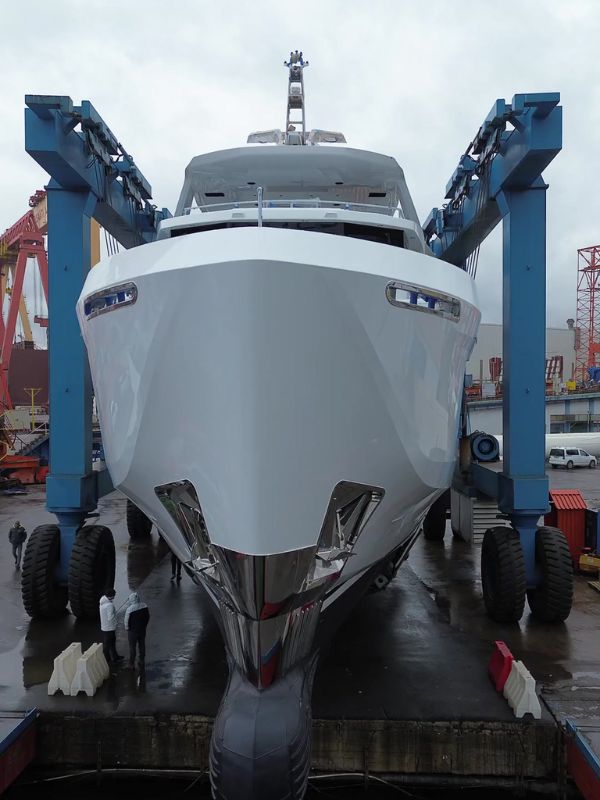
ADMIRAL 75M KENSHO OPERATIONAL & TECHNICAL

Key Components of Compliance Reports

Environmental Compliance Reports play a crucial role in maintaining compliance with regional, national, and international environmental regulations. Regulatory agencies require organizations to submit these detailed reports periodically to verify adherence to environmental standards. Failure to comply can result in penalties, legal action, or reputational damage. Through consistent monitoring and reporting, companies demonstrate responsibility and commitment to environmental protection. These reports also facilitate smoother audits and inspections by providing transparent evidence of compliance. Maintaining accurate Environmental Compliance Reports ensures organizations meet both governmental expectations and public demands for sustainable practices while solidifying their reliability as environmentally conscious entities.

ADMIRAL 75M KENSHO OPERATIONAL & TECHNICAL

Importance for Regulatory Compliance

Preparing effective Environmental Compliance Reports involves data collection, analysis, and presentation in an organized format. Companies typically gather information on emissions, chemical usage, water discharge, and waste management. Analytical tools are then used to interpret this data and identify potential areas of non-compliance. Once verified, findings should be clearly documented with references to regulatory standards and implemented corrective actions. Consistency and accuracy are vital, as incomplete data could lead to compliance issues. With digital solutions and environmental management software, preparing high-quality Environmental Compliance Reports has become more efficient, ensuring data integrity and improved traceability throughout the reporting process.

ADMIRAL 75M KENSHO CREW RECRUITMENT

How to Prepare Reports

While the main purpose of Environmental Compliance Reports is to meet legal requirements, they also deliver strategic business benefits. These reports help uncover opportunities for cost savings through resource optimization and waste reduction. Additionally, environmentally responsible reporting can enhance brand reputation and attract environmentally conscious investors. Transparent reports build stronger relationships with communities and regulatory bodies. Over time, consistent reporting boosts corporate sustainability credentials, making organizations more resilient in a competitive market. Ultimately, using Environmental Compliance Reports as a performance management tool supports long-term ecological balance, operational efficiency, and corporate growth through responsible environmental stewardship and proactive sustainability planning.

ADMIRAL 75M KENSHO CREW RECRUITMENT

A FEW KIND WORDS

From our clients...

THE POWER BEHIND JMS YACHTING

Meet Your Worldwide Specialists

Effective global yacht management depends on being present and responsive in every time zone. Unlike many providers that rely on a single office with limited support desks, JMS Yachting operates from five fully resourced international locations. This ensures that Owners and Captains have access to comprehensive services, expertise, and decision-making power 24/7. By maintaining this global presence, JMS Yachting provides seamless continuity, offering the confidence that your yacht operations are supported by an experienced team wherever you sail.

Let us introduce you to the people behind your peace of mind – the specialists at JMS Yachting .

Franc Jansen, team member at JMS Yachting

Franc Jansen

Founder, Managing Director

Sam Thompson, team member at JMS Yachting

Sam Thompson

Group Commercial Director

Environmental Compliance Reports

See Some Of Our Clients’ Most FAQs

Yacht-related image from JMS Yachting website
What are Environmental Compliance Reports used for?

Environmental Compliance Reports are used to document and verify an organization’s adherence to environmental laws and standards. They provide transparency to regulators, help identify environmental risks, and demonstrate accountability in managing emissions, waste, and resource utilization within sustainability frameworks.

Why are Environmental Compliance Reports important for businesses?

They are vital because they prove compliance with environmental regulations, prevent legal penalties, and reinforce corporate reputation. Through consistent Environmental Compliance Reports, businesses build stakeholder trust, guide management decisions, and contribute to a more sustainable operational strategy across all organizational levels.

How often should Environmental Compliance Reports be submitted?

The submission frequency of Environmental Compliance Reports depends on regional regulations and industry requirements. Some agencies mandate quarterly or annual submissions. Regular reporting ensures continuous compliance monitoring, timely updates to authorities, and accurate reflection of environmental performance over reporting periods.

Who is responsible for preparing Environmental Compliance Reports?

Typically, environmental managers or compliance officers oversee the preparation of Environmental Compliance Reports. They coordinate data collection, analysis, and documentation across departments, ensuring accuracy and full adherence to applicable environmental regulations within corporate sustainability policies and operational guidelines.

What information is included in Environmental Compliance Reports?

They include data on emissions, water discharge, waste management, energy consumption, and environmental audits. Environmental Compliance Reports also document corrective actions, regulatory benchmarks, and performance evaluations that demonstrate a company’s environmental accountability and ongoing sustainability improvement initiatives effectively and transparently.

How can technology enhance Environmental Compliance Reports?

Technology enables automation of data gathering, analysis, and reporting processes. With modern software, Environmental Compliance Reports become more accurate, timely, and compliant. Digital solutions improve transparency, reduce human error, support real-time tracking, and drive consistent sustainability performance across operational and reporting systems.


What challenges occur in creating Environmental Compliance Reports?

Common challenges include complex data management, changing regulatory frameworks, and cross-departmental coordination. Incomplete or inconsistent records can impact report quality. To mitigate issues, organizations implement structured systems ensuring accurate, auditable Environmental Compliance Reports aligned with evolving sustainability and legal requirements.

New To Yacht Ownership?

Your most common questions, answered clearly.

View some of our clients most FAQs.

EXPLORE THE FULL RANGE OF JMS YACHTING SPECIALISED SERVICES

Over 200 Years’ Experience At Your Fingertips


Discover more

Discover more

Discover more

Discover more

Discover more

Discover more

Discover more

Discover more

Discover more

Discover more
JMS Yachting circular brand graphic

Still Not Sure?

In life, you never know until you ask.

As Master Mariners, not sales people, we are here to guide you.

How can we help?

Name
Preferred Office Location