
JMS YACHTING
Safety Audit Scheduling
Optimize Workplace Compliance with Structured Planning
Comprehensive Guide to Safety Audit Scheduling
Safety Audit Scheduling is the systematic process of planning, organizing, and managing audit activities that assess workplace safety compliance. It ensures that inspections occur at appropriate intervals and cover all essential aspects of safety management systems. Effective scheduling reduces oversight risks, ensures proactive hazard detection, and keeps organizations compliant with regulations. It also improves coordination between departments and external auditors. Whether you manage a manufacturing plant, construction site, or corporate office, proper audit scheduling helps maintain safety performance consistency. Adopting digital tools and structured schedules can reduce administrative effort and enhance reporting accuracy.
Understanding Safety Audit Scheduling
Regular Safety Audit Scheduling enables companies to identify hazards before they escalate into costly incidents. Consistent scheduling ensures that all areas, procedures, and equipment receive timely evaluations, preventing safety gaps. It demonstrates management commitment to maintaining employee health and compliance with national and international safety standards. Periodic audits also help in updating safety programs based on new regulations and technologies. When organizations structure their audits properly, employees gain more trust in workplace safety measures. A reliable scheduling system also aids record-keeping for certifications and compliance evidence during inspections by authorities or clients.
Importance of Regular Scheduling
Effective Safety Audit Scheduling involves several structured steps. First, organizations must define audit objectives, scope, and frequency based on risk assessments. Next, an audit calendar is established, detailing departments and audit types. Assigning trained auditors ensures that the process remains credible and impartial. Communication of audit timelines to stakeholders promotes transparency and preparedness. Finally, scheduling reviews and follow-ups guarantee that findings are addressed promptly. Keeping these steps standardized across all departments minimizes scheduling conflicts and data omissions. Incorporating automation tools streamlines planning, allowing real-time tracking and updates for improved accuracy and compliance with safety protocols.
Steps in Audit Scheduling
Modern technology has revolutionized Safety Audit Scheduling by introducing automation, analytics, and integrated reporting. Specialized software allows safety managers to create, assign, and monitor audits with minimal manual input. Digital scheduling platforms deliver reminders, flag overdue inspections, and store records in secure databases. Data analytics tools can evaluate frequency trends and predict future audit needs based on risk levels. Cloud-based systems make it easier for large organizations to coordinate audits across multiple locations. Using technology reduces paperwork, minimizes delays, and enhances the precision of safety operations. Moreover, automated scheduling fosters accountability and informed decision-making.
Technology in Audit Scheduling
To implement Safety Audit Scheduling effectively, organizations should establish clear policies, define responsibilities, and ensure staff training. Scheduling must be flexible enough to accommodate emergencies and unexpected risks. Integrating audits with other management systems like ISO 45001 strengthens consistency and performance. Regularly reviewing audit outcomes and improving schedules helps enhance compliance. Documenting all activities ensures traceability and allows continuous improvement of the process. Companies should also compare internal scheduling efficiency through key performance metrics. Emphasizing employee involvement ensures that audits are practical, relevant, and foster a culture of safety awareness and accountability across all operational levels.
A FEW KIND WORDS
From our clients...
Captain, MY 45m Mangusta
You have done a fantastic job keeping track of all the receipts – I really appreciate how organized and accurate you’ve been! It’s been a pleasure working with you all, and I hope we’ll have the chance to collaborate again on a new project!
Chief Stewardess – MY 45m
Thank you so much for all your incredible help and patience – it’s been truly appreciated. I hope to be in touch again soon, wherever my next adventure at sea takes me. If not, thank you once more, Sophie. Stay safe and well.
Captain M/Y FEADSHIP
The financial management and reporting on our yacht has never been this accurate and on point as it is today with JMS Yachting.
Captain Jade 37m MY
I highly recommend Jansen Maritime Services to any yacht owner, captain, or industry professional looking for a management company that truly understands the intricacies of yachting. Their dedication, expertise, and seamless operations make yacht management stress-free, ensuring a world-class experience on the water.
Captain Alastair 55m MY
If you’re looking for a reliable, efficient, and highly professional yacht management company, look no further than JMS Yachting. I highly recommend them to any yacht owner who values exceptional service and a stress-free ownership experience!
Captain Marcus Boswell
I have worked extensively with Sam and JMS yachting over the past year, they have consistently presented excellent candidates for the positions that we have been looking to fill, who have been thoroughly vetted. They have been attentive to our requirements and assisted us in securing some excellent crew members, some at very short notice.
Captain Alex MY Khalilah
Our owner decided to change from private to commercial so we could charter Khalilah, we used JMS Yachting for the compliance management. The whole process ran smoothly, with JMS Yachting handling any issues with flag and class that arose, they also worked well in partnership with our charter brokers.
THE POWER BEHIND JMS YACHTING
Meet Your Worldwide Specialists
Effective global yacht management depends on being present and responsive in every time zone. Unlike many providers that rely on a single office with limited support desks, JMS Yachting operates from five fully resourced international locations. This ensures that Owners and Captains have access to comprehensive services, expertise, and decision-making power 24/7. By maintaining this global presence, JMS Yachting provides seamless continuity, offering the confidence that your yacht operations are supported by an experienced team wherever you sail.
Let us introduce you to the people behind your peace of mind – the specialists at JMS Yachting .





Safety Audit Scheduling
See Some Of Our Clients’ Most FAQs

Safety Audit Scheduling is a structured plan ensuring timely and consistent safety audits. It’s important because it promotes compliance, uncovers hazards early, and keeps safety processes transparent. Regular scheduling also helps organizations meet industry standards and maintain employee confidence in workplace safety practices and responsibilities.
The frequency of Safety Audit Scheduling depends on industry type, risk levels, and regulatory requirements. High-risk industries may need quarterly audits, while low-risk sectors might suffice with annual inspections. Regular review of audit schedules ensures timely updates to accommodate changes in operations, safety procedures, and workforce conditions.
Safety Audit Scheduling typically includes defining objectives, determining frequency, assigning auditors, and communicating audit timelines. Follow-ups and schedule reviews are essential for improvement. Each step must be documented to ensure transparency, accountability, and compliance with established safety regulations and performance monitoring standards.
Yes, technological tools significantly improve Safety Audit Scheduling efficiency. Automation enables real-time tracking, notifications, and data storage, reducing manual errors. Advanced analytics predict high-risk areas and optimize scheduling. Cloud-based solutions further simplify access for large organizations with multiple sites or geographically dispersed operations and departments.
Safety Audit Scheduling responsibility generally lies with the safety manager or compliance officer. They coordinate with department heads and auditors to ensure systematic planning and execution. Clear assignment of roles helps prevent delays, ensures accountability, and aligns audit objectives with organizational health and safety goals.
Organizations can maintain consistent Safety Audit Scheduling by using digital management tools, automated reminders, and regular schedule reviews. Training staff on audit procedures and emphasizing responsibility improves adherence. Monitoring performance metrics and adjusting timelines help sustain consistency and foster continuous improvement in audit management.
Challenges in Safety Audit Scheduling include limited resources, overlapping tasks, staff availability, and shifting priorities. Organizations may also struggle with data management or schedule conflicts. Overcoming these issues requires planning, digital tools, communication, and regular audits of the scheduling process itself to ensure sustained efficiency across teams.
New To Yacht Ownership?
Your most common questions, answered clearly.
View some of our clients most FAQs.
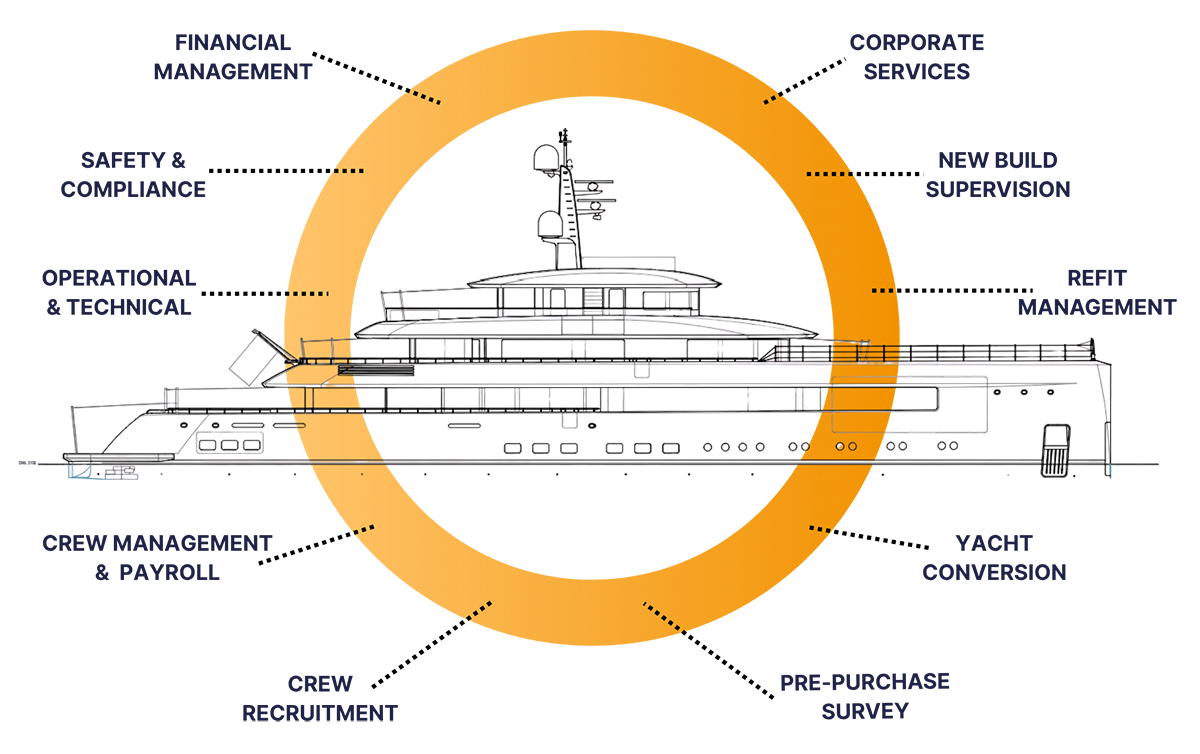
EXPLORE THE FULL RANGE OF JMS YACHTING SPECIALISED SERVICES
Over 200 Years’ Experience At Your Fingertips
Still Not Sure?
In life, you never know until you ask.
As Master Mariners, not sales people, we are here to guide you.