JMS Yachting

JMS YACHTING

Multi-Vessel Management

Enhance Maritime Operations with Integrated Vessel Oversight

Comprehensive Multi-Vessel Management Solutions for Modern Fleets

Multi-Vessel Management is a strategic approach that enables shipowners and fleet operators to oversee multiple vessels through centralized systems. It ensures efficient communication, resource sharing, and performance monitoring across fleets of varying sizes and operations. By using advanced digital tools, maritime companies can gain real-time insights into vessel conditions, maintenance schedules, and voyage performance. This method reduces operational costs, enhances safety compliance, and minimizes downtime. Multi-Vessel Management promotes data-driven decision-making, allowing managers to optimize logistics and implement sustainability goals. As global shipping becomes more complex, adopting this management style is becoming essential for maintaining profitability and operational excellence.

Understanding Multi-Vessel Management

In today’s competitive maritime industry, Multi-Vessel Management plays a vital role in maintaining smooth operations across diverse shipping routes and cargo types. It enables unified visibility, ensuring that all vessels adhere to safety standards, fuel efficiency targets, and environmental compliance. Through centralized control systems, management teams can identify inefficiencies, address technical issues promptly, and allocate resources effectively. This holistic oversight fosters improved coordination between crew members, onshore teams, and management authorities. Moreover, integrated vessel management facilitates operational analytics, allowing data comparisons between fleets for performance benchmarking. As the shipping landscape evolves, effective Multi-Vessel Management enhances flexibility and strengthens long-term strategic control for maritime businesses.

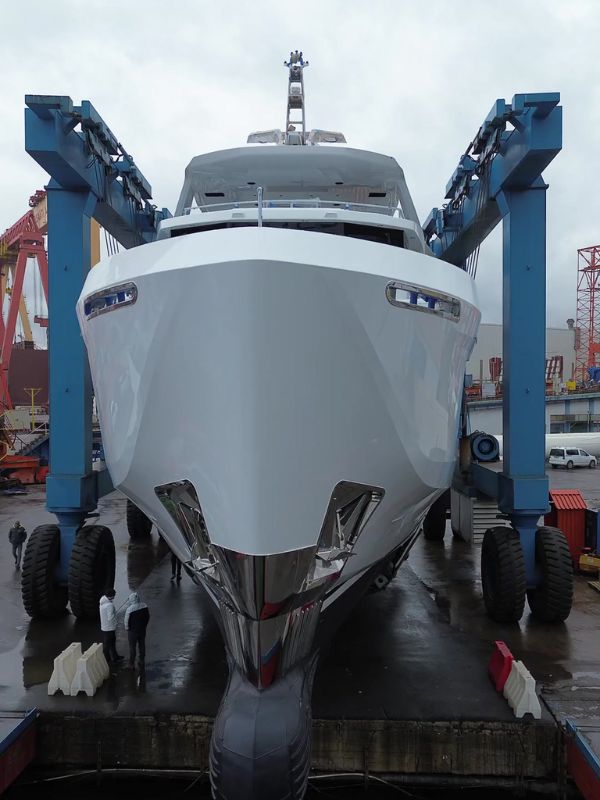
ADMIRAL 75M KENSHO OPERATIONAL & TECHNICAL

Importance in Maritime Operations

Multi-Vessel Management relies on a combination of technologies and workflows that streamline communication, navigation, maintenance, and reporting. Advanced software platforms integrate transportation data, crew information, engine performance metrics, and compliance documentation into one accessible interface. These tools allow managers to monitor vessel positions, fuel levels, and maintenance needs in real time. Predictive analytics help forecast potential mechanical or logistical issues before they escalate, saving both time and cost. Additionally, automated reporting functions facilitate faster regulatory and safety audits. With the proper technology stack, Multi-Vessel Management becomes a foundation for digital transformation, supporting smart shipping operations and consistent performance across global fleets.

ADMIRAL 75M KENSHO OPERATIONAL & TECHNICAL

Core Components and Tools

Digital integration is at the heart of modern Multi-Vessel Management. It connects operational databases, sensors, and decision-making platforms to provide a comprehensive view of each vessel’s performance. The integration reduces manual record-keeping errors and increases productivity through automation. Real-time dashboards help teams make informed decisions about routing, maintenance, and cargo handling. Cloud-based platforms enable secure data access from anywhere, promoting collaboration among multiple stakeholders. Furthermore, integrated systems facilitate predictive maintenance and reduce fuel consumption through optimized voyage planning. As maritime operations adopt automation, digital Multi-Vessel Management becomes a key driver of efficiency, transparency, and long-term sustainability throughout the fleet.

ADMIRAL 75M KENSHO CREW RECRUITMENT

Benefits of Digital Integration

The future of Multi-Vessel Management is being shaped by innovations such as artificial intelligence, machine learning, and Internet of Things technology. AI-driven analytics can predict operational risks, while IoT sensors continuously collect data on vessel performance and environmental conditions. Machine learning models help optimize fuel efficiency and reduce carbon emissions. Blockchain technology enhances transparency and traceability in documentation and transactions. As regulatory requirements tighten, digitalization helps ensure compliance and safety. Future systems will likely integrate autonomous navigation and real-time decision support tools. By embracing these advancements, shipowners can secure operational resilience, cost efficiency, and environmental responsibility through improved Multi-Vessel Management practices.

ADMIRAL 75M KENSHO CREW RECRUITMENT

A FEW KIND WORDS

From our clients...

THE POWER BEHIND JMS YACHTING

Meet Your Worldwide Specialists

Effective global yacht management depends on being present and responsive in every time zone. Unlike many providers that rely on a single office with limited support desks, JMS Yachting operates from five fully resourced international locations. This ensures that Owners and Captains have access to comprehensive services, expertise, and decision-making power 24/7. By maintaining this global presence, JMS Yachting provides seamless continuity, offering the confidence that your yacht operations are supported by an experienced team wherever you sail.

Let us introduce you to the people behind your peace of mind – the specialists at JMS Yachting .

Franc Jansen, team member at JMS Yachting

Franc Jansen

Founder, Managing Director

Sam Thompson, team member at JMS Yachting

Sam Thompson

Group Commercial Director

Multi-Vessel Management

See Some Of Our Clients’ Most FAQs

Yacht-related image from JMS Yachting website
What is the purpose of Multi-Vessel Management?

Multi-Vessel Management allows fleet operators to oversee multiple vessels through centralized systems. It improves resource sharing, communication, and operational control. The main purpose is to achieve efficiency, enhance safety compliance, and optimize performance metrics across all vessels while reducing operational costs and downtime.

How does Multi-Vessel Management improve coordination?

It integrates communication channels and digital systems, allowing vessel crews and onshore teams to collaborate efficiently. By centralizing data and reporting tools, coordination becomes seamless. Managers can track activities, share vital information instantly, and ensure consistent performance across fleets through unified connectivity and transparent operations.

Which technologies support Multi-Vessel Management systems?

Modern Multi-Vessel Management systems rely on tools such as IoT sensors, cloud computing, and advanced analytics platforms. These technologies provide real-time monitoring, predictive maintenance capabilities, and data integration for better decision-making, leading to smarter fleet management and lower operational risks for maritime operators worldwide.

Why is digital integration important for fleets?

Digital integration ensures that all vessel data is connected within a single system. This reduces duplication, saves time, and allows monitoring from any location. By linking sensors, analytics, and cloud dashboards, operators achieve greater efficiency, accuracy, and proactive management through streamlined Multi-Vessel Management frameworks.

Can smaller fleets benefit from Multi-Vessel Management?

Absolutely. Even small and medium-sized fleets can enhance efficiency through Multi-Vessel Management. Centralized monitoring helps minimize errors, improve maintenance scheduling, and reduce unnecessary fuel costs. Scalable software options make it affordable and practical for companies of all sizes to adopt effective management solutions.

How does Multi-Vessel Management support sustainability?

It promotes sustainability by enabling better fuel optimization, predictive maintenance, and reduced emissions. Data-driven insights help identify areas for energy savings and lower carbon footprints. Integrating environmental monitoring systems ensures compliance with global standards and fosters greener maritime operations across entire fleets worldwide.

Upcoming trends include increased automation, artificial intelligence, blockchain integration, and predictive analytics. These technologies will make Multi-Vessel Management more accurate, secure, and efficient. As the maritime industry evolves, digital transformation will redefine fleet operations, emphasizing sustainability, resilience, and seamless global connectivity in management.


New To Yacht Ownership?

Your most common questions, answered clearly.

View some of our clients most FAQs.

EXPLORE THE FULL RANGE OF JMS YACHTING SPECIALISED SERVICES

Over 200 Years’ Experience At Your Fingertips


Discover more

Discover more

Discover more

Discover more

Discover more

Discover more

Discover more

Discover more

Discover more

Discover more
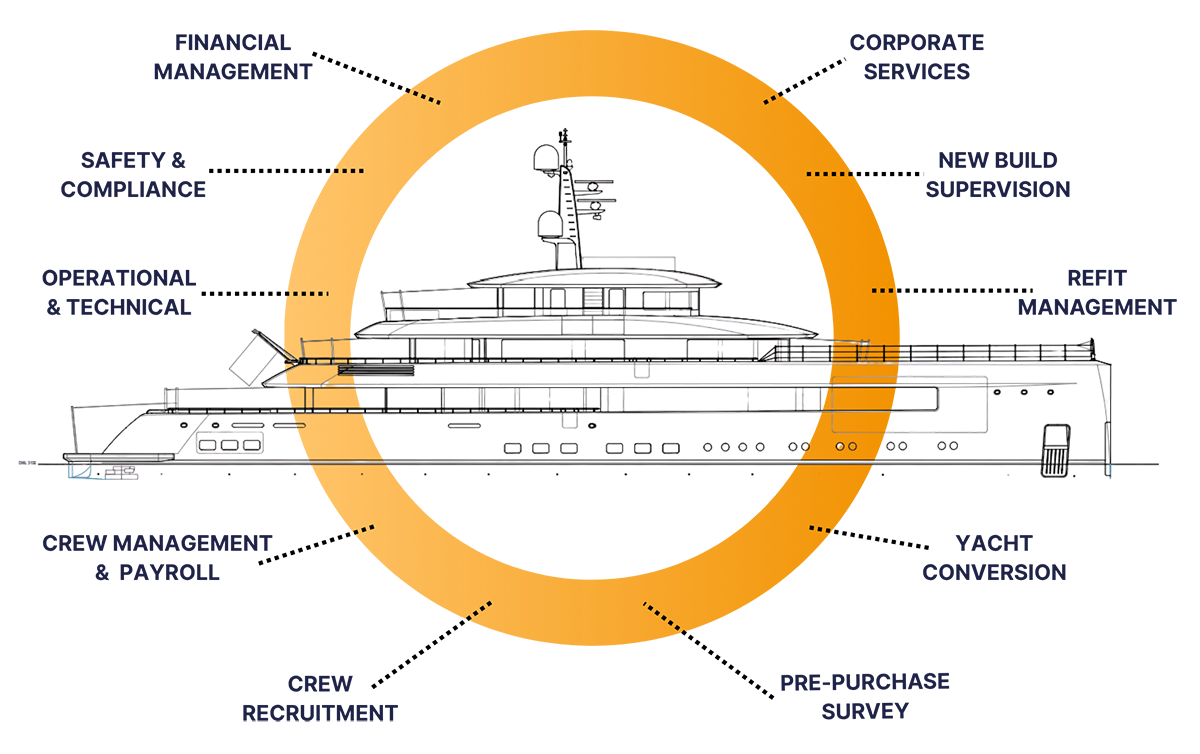
JMS Yachting circular brand graphic

Still Not Sure?

In life, you never know until you ask.

As Master Mariners, not sales people, we are here to guide you.

How can we help?

Name
Preferred Office Location