
JMS YACHTING
Crew Relief Scheduling
Optimize Business Efficiency with Professional Cost Analysis
Comprehensive Operating Cost Audits for Sustainable Growth
Operating Cost Audits are specialized assessments designed to help organizations identify, analyze, and control their business expenses effectively. These audits evaluate financial records, operational expenses, and cost centers to reveal inefficiencies or unnecessary spending. By conducting regular audits, businesses gain valuable insights into their financial operations and uncover hidden cost drivers. This process enhances transparency, ensures accountability, and supports accurate budgeting and forecasting. Moreover, an effective audit approach helps management make data-driven decisions that contribute to long-term sustainability. Whether for small enterprises or large corporations, Operating Cost Audits provide essential clarity on profit margins and expense management.
Understanding Operating Cost Audits
Businesses today face increasing financial complexities, making Operating Cost Audits more essential than ever. These audits offer a structured way to review expenses across various departments such as procurement, logistics, marketing, and administrative overhead. Identifying unnecessary expenditures can significantly improve profitability and optimize resource use. Furthermore, audits help detect compliance gaps and benchmark spending patterns against industry standards. Regular auditing improves organizational transparency and overall effectiveness. Companies using these insights can develop robust financial strategies that reduce waste, increase performance, and strengthen internal controls. In essence, conducting Operating Cost Audits enhances financial efficiency and organizational competitive advantage.
Why Businesses Need Cost Audits
An effective Operating Cost Audit involves several critical steps, including data gathering, expense categorization, variance analysis, and corrective recommendations. During this process, auditors evaluate cost structures, supplier invoices, production charges, and service contracts. They seek to understand where overspending occurs and pinpoint root causes. Benchmarking costs against market averages ensures management decisions are grounded in accurate, meaningful data. Auditors also assess budget discipline and control mechanisms, ensuring compliance with corporate policies. Lastly, recommendations from audits lead to actionable cost savings strategies. Businesses benefit through reduced waste, standardized procedures, and improved visibility into ongoing financial performance and operational output.
Key Components of an Audit
Organizations that implement recommendations from Operating Cost Audits experience measurable improvements in financial health and productivity. Key benefits include cost containment, accurate forecasting, improved cash flow, and stronger performance evaluation. Optimized cost structures empower management to allocate resources more efficiently while enhancing profitability. These audits also foster a culture of accountability and continuous improvement across departments. Decision-makers can redirect savings toward innovation, training, and expansion initiatives. Additionally, periodic audits help detect inefficiencies early, preventing potential financial risks. When consistently applied, Operating Cost Audits become a strategic tool for sustainable growth, delivering both short-term savings and long-term operational resilience.
Benefits of Cost Optimization
Launching a successful Operating Cost Audit program requires careful planning and expertise. Businesses should define audit objectives clearly, identify key expense categories, and select experienced financial auditors. Establishing internal reporting systems that support real-time expense tracking enhances the audit’s accuracy. Training internal teams to understand cost analysis methods ensures continuous monitoring beyond periodic reviews. Employing technology such as automation and analytical software improves data accuracy and reporting efficiency. As part of good governance, findings should be reviewed by leadership and used to inform future financial strategies. A well-implemented audit process delivers measurable value through transparency, compliance, and increased operational performance.
A FEW KIND WORDS
From our clients...
Captain, MY 45m Mangusta
You have done a fantastic job keeping track of all the receipts – I really appreciate how organized and accurate you’ve been! It’s been a pleasure working with you all, and I hope we’ll have the chance to collaborate again on a new project!
Chief Stewardess – MY 45m
Thank you so much for all your incredible help and patience – it’s been truly appreciated. I hope to be in touch again soon, wherever my next adventure at sea takes me. If not, thank you once more, Sophie. Stay safe and well.
Captain M/Y FEADSHIP
The financial management and reporting on our yacht has never been this accurate and on point as it is today with JMS Yachting.
Captain Jade 37m MY
I highly recommend Jansen Maritime Services to any yacht owner, captain, or industry professional looking for a management company that truly understands the intricacies of yachting. Their dedication, expertise, and seamless operations make yacht management stress-free, ensuring a world-class experience on the water.
Captain Alastair 55m MY
If you’re looking for a reliable, efficient, and highly professional yacht management company, look no further than JMS Yachting. I highly recommend them to any yacht owner who values exceptional service and a stress-free ownership experience!
Captain Marcus Boswell
I have worked extensively with Sam and JMS yachting over the past year, they have consistently presented excellent candidates for the positions that we have been looking to fill, who have been thoroughly vetted. They have been attentive to our requirements and assisted us in securing some excellent crew members, some at very short notice.
Captain Alex MY Khalilah
Our owner decided to change from private to commercial so we could charter Khalilah, we used JMS Yachting for the compliance management. The whole process ran smoothly, with JMS Yachting handling any issues with flag and class that arose, they also worked well in partnership with our charter brokers.
THE POWER BEHIND JMS YACHTING
Meet Your Worldwide Specialists
Effective global yacht management depends on being present and responsive in every time zone. Unlike many providers that rely on a single office with limited support desks, JMS Yachting operates from five fully resourced international locations. This ensures that Owners and Captains have access to comprehensive services, expertise, and decision-making power 24/7. By maintaining this global presence, JMS Yachting provides seamless continuity, offering the confidence that your yacht operations are supported by an experienced team wherever you sail.
Let us introduce you to the people behind your peace of mind – the specialists at JMS Yachting .





Crew Relief Scheduling
See Some Of Our Clients’ Most FAQs
The purpose of Operating Cost Audits is to evaluate an organization’s cost structure, identify inefficiencies, and provide recommendations for reducing expenses. It helps businesses understand spending patterns, prevent resource wastage, and develop effective strategies for enhancing operational efficiency and profitability while maintaining compliance with internal financial protocols.
Companies should perform Operating Cost Audits at least annually, though some industries benefit from quarterly reviews. Regular evaluations ensure that expenses remain aligned with organizational goals, provide early detection of inefficiencies, and enable proactive financial adjustments based on changing operational conditions or market fluctuations throughout the fiscal cycle.
Operating Cost Audits can be carried out by internal finance teams or external auditing firms with specialized expertise in cost analysis. Outsourcing audits ensures impartiality and accurate benchmarking while in-house reviews provide continuous oversight, helping businesses maintain control over financial processes and measure cost-effectiveness at every organizational level.
The audit process generally includes data collection, analysis of expense categories, identification of variances, benchmarking, and preparation of improvement recommendations. Each step in Operating Cost Audits ensures greater transparency in financial reporting, enabling management to implement corrective measures and improve decision-making efficiency throughout the organization’s operational framework.
Yes, Operating Cost Audits directly contribute to profitability by eliminating unnecessary expenses and optimizing resource allocation. The resulting cost savings allow funds to be redirected toward growth-oriented activities such as innovation, staffing, or technology improvements, helping strengthen overall profitability and ensuring long-term financial health and operational sustainability.
Common challenges include incomplete data, lack of expense categorization, and internal resistance to procedural changes. Overcoming these issues requires strong management support, transparent communication, and efficient digital tools. Addressing such challenges ensures Operating Cost Audits deliver accurate insights that drive meaningful operational improvements across business units.
Operating Cost Audits strengthen compliance management by ensuring expenditures follow corporate and regulatory requirements. They uncover unauthorized or noncompliant transactions and standardize approval workflows. This process helps minimize financial risks and maintains business integrity while promoting accountability across departments and improving organization-wide adherence to fiscal policies and standards.
New To Yacht Ownership?
Your most common questions, answered clearly.
View some of our clients most FAQs.
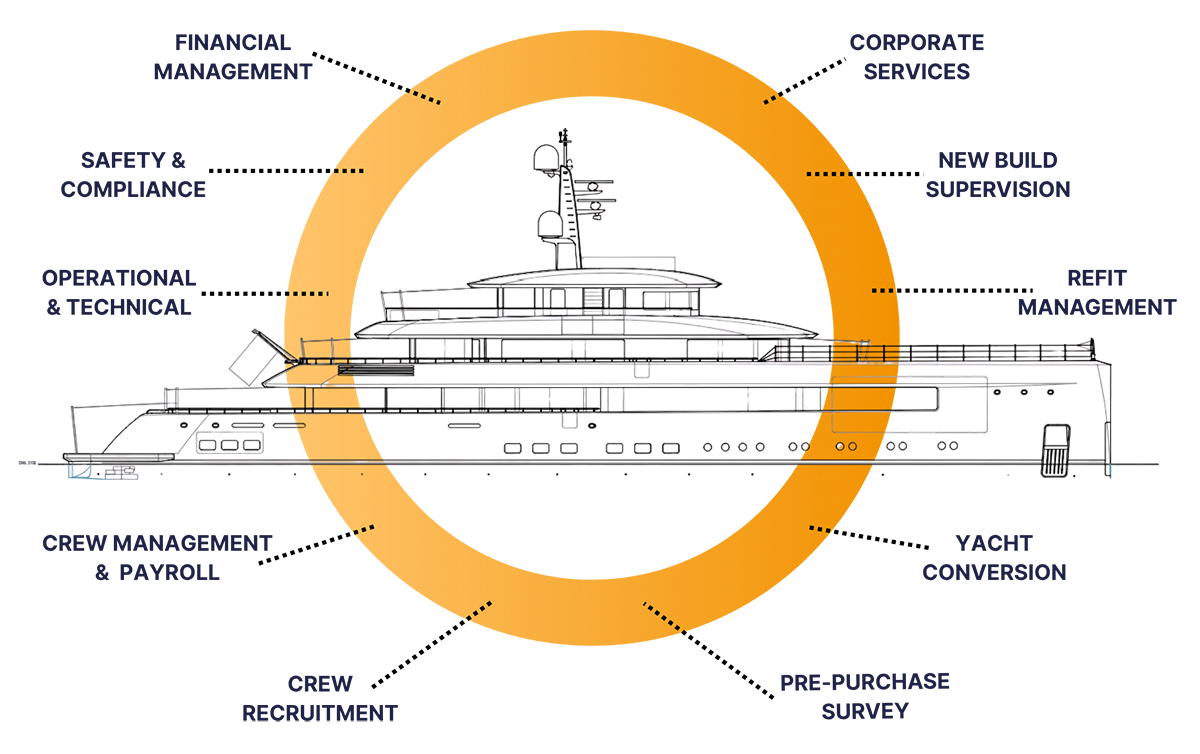
EXPLORE THE FULL RANGE OF JMS YACHTING SPECIALISED SERVICES
Over 200 Years’ Experience At Your Fingertips
Still Not Sure?
In life, you never know until you ask.
As Master Mariners, not sales people, we are here to guide you.