JMS YACHTING
Port Clearance Coordination
Streamlining Maritime Operations with Efficiency
Expert Port Clearance Coordination Services for Seamless Shipping
Port Clearance Coordination is a vital process within the maritime industry that ensures ships can enter and leave ports without unnecessary delays. It involves managing documentation, customs requirements, and communication between vessels, port authorities, and logistics providers. Efficient coordination helps minimize waiting time, reduce operational costs, and improve supply chain performance. By applying structured processes and adhering to regulatory standards, companies can ensure that ships receive timely clearance. This coordination also enhances overall port productivity and vessel turnaround time, ensuring that maritime activities remain smooth, compliant, and strategically aligned with shipment schedules and global trade demands.
Understanding Port Clearance Coordination
Efficient Port Clearance Coordination is crucial for avoiding congestion and financial loss in shipping operations. When documentation, customs clearance, and communication are synchronized, vessels spend less time idle at terminals. Delays not only increase costs but also disrupt downstream supply chain activities. Proper coordination ensures cargo handling, crew procedures, and inspections are completed smoothly. Moreover, it facilitates better cooperation between port agents, customs officers, and shipping companies. Improved workflow through digital tools and professional management increases transparency. In a competitive maritime environment, timely port clearances build reputation, enhance customer satisfaction, and support sustainable shipping practices worldwide.
Importance of Efficient Coordination
The process of Port Clearance Coordination includes several critical steps that streamline maritime operations. First, accurate pre-arrival documentation is prepared in advance, covering vessel details, cargo manifests, and compliance certifications. Then, coordination between relevant authorities ensures that all legal and safety requirements are met before docking. Continuous communication among ship captains, agents, and customs officials minimizes uncertainty. Technology such as electronic data interchange systems accelerates information sharing, reducing manual errors. In addition, monitoring vessel schedules allows timely coordination between port departments. These elements combined provide an integrated system designed for safety, speed, and efficiency in maritime logistics today.
Key Elements of Coordination Process
Modern Port Clearance Coordination increasingly relies on digital platforms that automate key administrative and operational processes. Advanced software helps in tracking ships, managing clearance requests, and maintaining accurate records. Blockchain technology adds transparency to documentation, ensuring data integrity and compliance. AI-driven analytics predict possible delays, assisting port managers in decision-making. Through online portals, stakeholders update each other instantly about clearance statuses, required inspections, or weather conditions. These innovations minimize manual paperwork and errors while improving communication speed. By embracing automation, organizations gain cost advantages and operational resilience, establishing smoother coordination across global trade and maritime logistics ecosystems effectively.
Role of Technology in Management
For shipping companies, effective Port Clearance Coordination provides tangible financial and operational benefits. It shortens time spent at harbor, lowering demurrage charges and fuel costs. Improved coordination enhances reliability, enabling ships to maintain their schedules and clients to plan accurately. Additionally, streamlined processes reduce administrative burdens on crews and agents. Compliance with international maritime laws becomes easier with structured coordination systems in place. The transparency offered by coordinated clearance procedures improves trust among stakeholders. Ultimately, these advantages make shipping operations more sustainable, profitable, and competitive, reinforcing long-term relationships between vessel operators, cargo owners, and port authorities worldwide.
A FEW KIND WORDS
From our clients...
Captain, MY 45m Mangusta
You have done a fantastic job keeping track of all the receipts – I really appreciate how organized and accurate you’ve been! It’s been a pleasure working with you all, and I hope we’ll have the chance to collaborate again on a new project!
Chief Stewardess – MY 45m
Thank you so much for all your incredible help and patience – it’s been truly appreciated. I hope to be in touch again soon, wherever my next adventure at sea takes me. If not, thank you once more, Sophie. Stay safe and well.
Captain M/Y FEADSHIP
The financial management and reporting on our yacht has never been this accurate and on point as it is today with JMS Yachting.
Captain Jade 37m MY
I highly recommend Jansen Maritime Services to any yacht owner, captain, or industry professional looking for a management company that truly understands the intricacies of yachting. Their dedication, expertise, and seamless operations make yacht management stress-free, ensuring a world-class experience on the water.
Captain Alastair 55m MY
If you’re looking for a reliable, efficient, and highly professional yacht management company, look no further than JMS Yachting. I highly recommend them to any yacht owner who values exceptional service and a stress-free ownership experience!
Captain Marcus Boswell
I have worked extensively with Sam and JMS yachting over the past year, they have consistently presented excellent candidates for the positions that we have been looking to fill, who have been thoroughly vetted. They have been attentive to our requirements and assisted us in securing some excellent crew members, some at very short notice.
Captain Alex MY Khalilah
Our owner decided to change from private to commercial so we could charter Khalilah, we used JMS Yachting for the compliance management. The whole process ran smoothly, with JMS Yachting handling any issues with flag and class that arose, they also worked well in partnership with our charter brokers.
THE POWER BEHIND JMS YACHTING
Meet Your Worldwide Specialists
Effective global yacht management depends on being present and responsive in every time zone. Unlike many providers that rely on a single office with limited support desks, JMS Yachting operates from five fully resourced international locations. This ensures that Owners and Captains have access to comprehensive services, expertise, and decision-making power 24/7. By maintaining this global presence, JMS Yachting provides seamless continuity, offering the confidence that your yacht operations are supported by an experienced team wherever you sail.
Let us introduce you to the people behind your peace of mind – the specialists at JMS Yachting .
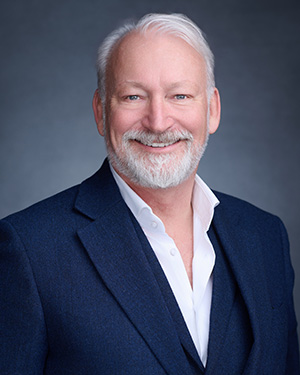
Franc Jansen
Founder, Managing Director
Languages: English and Dutch.
Certification: BSc (Maritime Sciences), MSc (Maintenance and Safety Management), CEng and MIMarEST.
With over four decades in the maritime industry, Franc’s career began in commercial shipping, working aboard cargo and cruise ships before transitioning into the yachting sector in 2005. As a qualified Navigational Officer, Marine Engineer, Technical Manager, and Class Surveyor, he brings a wealth of expertise to yacht management.
Recognised across the superyacht industry for his straightforward, client-focused approach, Franc was among the first to integrate commercial shipping discipline into yachting. His commitment to excellence and operational efficiency has set new standards in the field.
In 2015, he founded JMS, now one of the leading independent yacht management firms, with offices in Monaco, Palma de Mallorca, Fort Lauderdale, Dubai and the UK. JMS currently oversees the operational management of more than 50 yachts and has built a reputation for having one of the strongest technical teams in the industry, managing high-profile new builds and major conversion projects worldwide.
“The most technically qualified and experienced yacht operator I know!” Theo Hooning, SYBAss (Superyacht Builders’ Association)
In his free time, Franc enjoys engineering, speed and being on the open road. Building classic motorbikes is the gift that keeps on giving. He built a Café Racer from a 1981 Kawasaki and a Scrambler from a 1987 Moto Guzzi NX650. Living in the south of France, there is no shortage of mountain roads, coast roads and perfect weather to be out there all the time.
- Phone:+377 97 70 01 73
- Email:monaco@jmsyachting.com
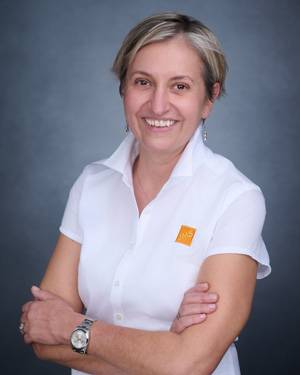
Lucia Badano
Technical Director
Languages: Italian, English, German and Spanish.
Certification: Naval Architect with certification in ISM, ISPS, MLC.
Lucia brings a deep-rooted expertise in the yachting sector, having spent the majority of her career immersed in all facets of yacht classification, compliance, and technical oversight. With a distinguished background as a surveyor for leading flag states and classification societies, including RINA, Lloyd’s Register, the Cayman Islands Registry, and the Isle of Man, Lucia has handled virtually every technical and regulatory challenge the industry presents.
Her professional journey has taken her from plan approval and new construction supervision to inspections of existing vessels, covering the full lifecycle of yacht compliance and safety management. To broaden her maritime experience beyond yachts, Lucia also spent a year working as a superintendent for a bulker shipping company in Italy, adding commercial shipping insight to her already impressive portfolio.
Many of the world’s most iconic yachts carry her technical fingerprints. Lucia’s contributions have been integral to vessels such as MY Serene, SY Black Pearl, MY DAR, MY B, and numerous others, ensuring they meet the highest standards of construction and operation.
Lucia thrives on contrasts. Her passion for speed and power fuels her love for high-adrenaline pursuits, whether it is driving motorcycles, skiing downhill, or navigating winding mountain roads by car. Yet, she also cherishes moments of stillness and simplicity: spending quiet afternoons in her garden or sharing peaceful company with her cats.
- Phone:+377 97 70 01 73
- Email:spain@jmsyachting.com
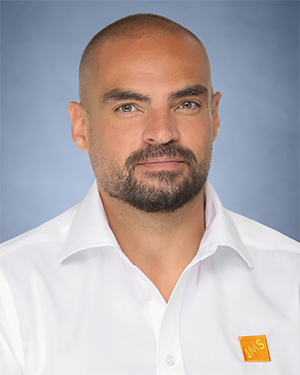
Nabeel Hijris
Middle East Director
Languages: English and Arabic.
Certification: Master of Yachts 500 GT (Unlimited), Certified Marine Instructor.
Nabeel brings over 14 years of extensive experience in luxury yacht management, charter operations, and maritime leadership. With a distinguished career as a Fleet Captain and Yacht Captain, Nabeel has managed high-profile superyacht fleets and operations across the Middle East, Europe, and Asia.
His expertise spans the full spectrum of yacht operations, from implementing international safety and compliance standards to delivering elite charter experiences for VIP clientele, including celebrities and government officials. He has successfully supervised large scale refits and newbuilds, coordinated multinational crews of over 40 members, and overseen comprehensive fleet operations for vessels ranging up to 70 metres.
Fluent in English and Arabic, Nabeel combines technical precision with strong interpersonal and cross-cultural communication skills. As a Master of Yachts 500 GT (Unlimited) and a certified maritime instructor, he embodies JMS Yachting’s commitment to operational excellence and bespoke yacht management solutions tailored to Dubai’s growing yachting sector.
- Phone:+971 50 249 2667
- Email:dubai@jmsyachting.com
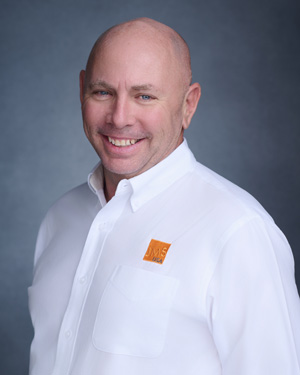
Nicholas Gray
President of JMS USA
Languages: English.
Certification: Master 3000 GT and Certified Diving Instructor.
Nick has over 18 years’ experience in yachting including 4 years ashore.
Born in Hamilton, New Zealand, Nick lived mostly in Tauranga, an amazing beach area. An incredibly active and passionate person who started sailing at 17 and completed all yacht courses to the Master 3000 GT. He is also a certified Diving Instructor.
Nick spent 1 year as a Deckhand and was then promoted to his first mates’ job on a 41 meter (135 feet) Lurssen, MY Blind Date and, thereafter, worked mostly on 50 meters (170 feet) up to 73 meters (240 feet) yachts.
Well-travelled, Nick has cruised the Mediterranean, Caribbean, Bahamas, East Coast US, South Pacific, Central and South America; and now lives in Fort Lauderdale, Florida.
During his spare time, Nick loves Rugby, spending time with his children and loves to BBQ.
- Phone:+1 954 533 5428
- Email:usa@jmsyachting.com
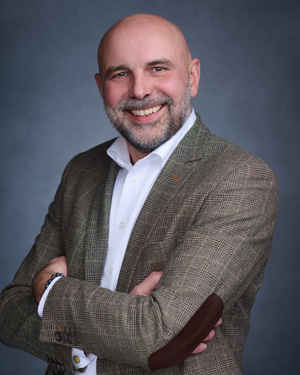
Rob Pijper
Operations Director
Languages: English and Dutch.
Certification: Surveyor, ISM, ISPS, MLC, and ISO certification.
Rob Pijper brings a formidable depth of technical, operational, and compliance expertise to his role as Operations Director, underpinned by a career spanning senior maritime leadership across classification, engineering, and vessel management. Holding a Chief Engineer Unlimited license, Rob has built a reputation for excellence in both commercial shipping and the yachting sectors.
He spent a significant portion of his career at Lloyd’s Register, where he held several high-level positions. Beginning as Senior Surveyor and Senior Auditor in the Port of Rotterdam, Rob went on to become Manager of the Marine Management Systems Office, overseeing ISM, ISPS, MLC, and ISO certifications, first in the Nordic Area, then expanding his oversight to the Western Area, and later all of Northern Europe. His leadership extended further as Operations Manager, responsible for field operations and plan approval across Western and Northern Europe, including key maritime nations such as Germany, the Netherlands, Scandinavia, Poland, the Baltics, Ukraine, Russia, and Belgium.
Following his tenure at Lloyd’s Register, Rob transitioned into yacht operations, taking on the role of Vessel Manager aboard the iconic converted tug/icebreaker MY Legend. In this multifaceted position, he was responsible for the vessel’s technical, operational, financial, commercial, and human resources management. His hands-on contributions have included the development of a comprehensive POLAR manual, the modernization of management systems, and oversight of major refits and warranty phases for several notable vessels—including MY Legend, the 90 metre (295 feet) Dar, the conversion of the 70 metre (230 feet) Project Master and the 74 metre (243 feet) MY Cocoa Bean among others.
Rob’s broad scope of experience, from compliance frameworks to vessel engineering and operations, makes him an indispensable figure in the JMS team, capable of navigating the most complex maritime challenges with technical rigour and strategic vision.
When he is not managing fleets or refining operational systems, Rob enjoys resetting his mind through maintenance work on old furniture and homes. Winter months find him skiing through scenic alpine terrain, while summer days are often spent sailing small open boats, reconnecting with the fundamentals of wind, water, and simplicity.
- Phone:+377 97 70 01 73
- Email:spain@jmsyachting.com
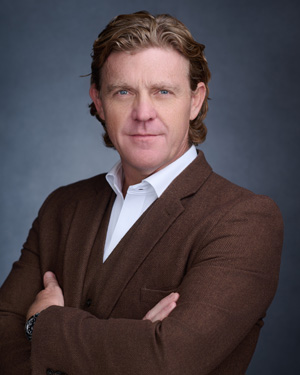
Sam Thompson
Group Commercial Director
Languages: English and French.
Certification: Cert RP and Master 3000 GT.
Sam began his yachting career back in 1994 working on an 80 metre (262 feet) yacht that led him on an epic adventure to Thailand. He hasn’t looked back since.
A qualified Master 3000 GT, he worked on six yachts including two new builds before moving on land to start a family and specialise in professional recruitment for the Oil & Gas industry and commercial shipping, working with industry leaders such as Technip, Subsea 7, BP Shipping and Bibby Ship Management.
A passionate sailor, Sam is a much liked industry professional whose known ability for getting things done is respected by Owners and Captains.
“Sam has been a massive help with finding new crew. Any crew he placed with us have been exactly what we were looking for, and are all still on board well over 12 months later.” Marc Van Loon 42 metres (138 feet), M/Y CLICIA
Outside of work, Sam enjoys cricket, watching and playing it. He notched up 220 runs ‘not out’ in a league game in the UK once. However since moving to the South of France, Sam has limited opportunity to play these days. Therefore, he has reverted to his second passion in life and bought a very old motor boat. He spent a large part of his adult life crewing yachts, passing on his enjoyment of the water to his kids and friends.
- Phone:+377 97 70 01 73
- Email:monaco@jmsyachting.com
Port Clearance Coordination
See Some Of Our Clients’ Most FAQs
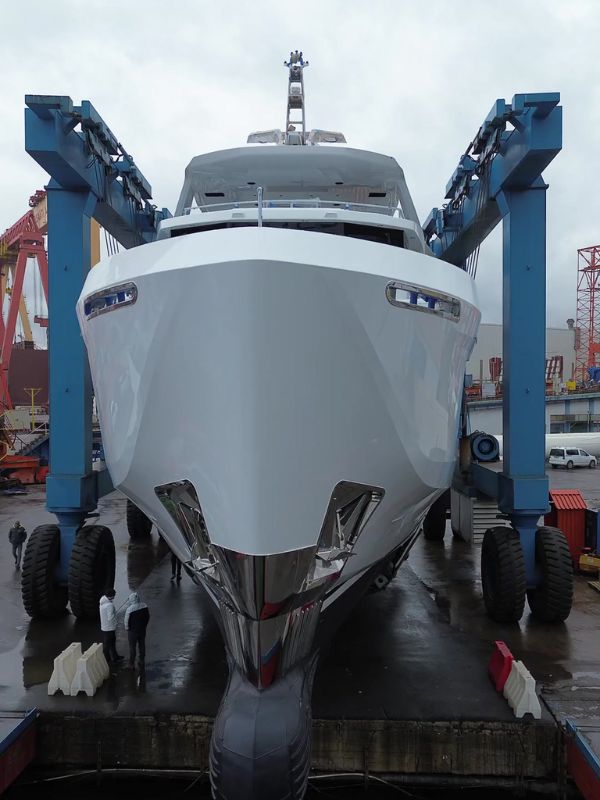
Port Clearance Coordination involves managing documentation, communications, and procedural requirements that allow ships to enter or exit a port efficiently. It ensures compliance with customs, safety, and environmental regulations while minimizing delays, optimizing logistics, and supporting seamless maritime operations across global trade routes.
It is crucial because it prevents congestion and reduces turnaround time for vessels. Proper coordination ensures that documents, customs procedures, and inspections are completed efficiently. As a result, ports operate smoothly, shipping expenses decrease, and overall maritime performance improves, enhancing productivity and industry collaboration effectively.
Digital tools drastically enhance Port Clearance Coordination by automating documentation, tracking vessel movements, and maintaining data accuracy. Platforms using artificial intelligence and blockchain technology offer transparency, minimize errors, and predict delays. This reduces administrative effort, allowing real-time collaboration among port authorities and shipping stakeholders seamlessly.
Multiple parties participate in the coordination process, including ship captains, port agents, customs officials, maritime authorities, and logistics providers. Each plays a role in documentation, safety inspection, and scheduling to ensure vessels receive clearance swiftly, maintaining compliance and supporting smooth port and shipping operations globally.
Essential documents include ship registration details, crew lists, cargo manifests, customs declarations, and compliance certificates. These records verify that the vessel meets international safety and trade standards. Proper submission ensures timely Port Clearance Coordination and smooth entry or exit from port facilities without penalties or delays.
Yes, modern automated systems effectively manage many Port Clearance Coordination functions. They streamline document submission, monitor shipments, communicate with port officials, and flag potential issues early. Automation increases accuracy, reduces manual workload, and contributes to quicker and more transparent shipping processes in maritime operations.
Professional Port Clearance Coordination delivers faster processing, improved compliance, and lower costs for shipping companies. It fosters collaboration among stakeholders, enhances transparency, and supports timely vessel movements. With expert management and digital integration, operations become smoother, ensuring sustained efficiency and global trade reliability for ports.
New To Yacht Ownership?
Your most common questions, answered clearly.
View some of our clients most FAQs.
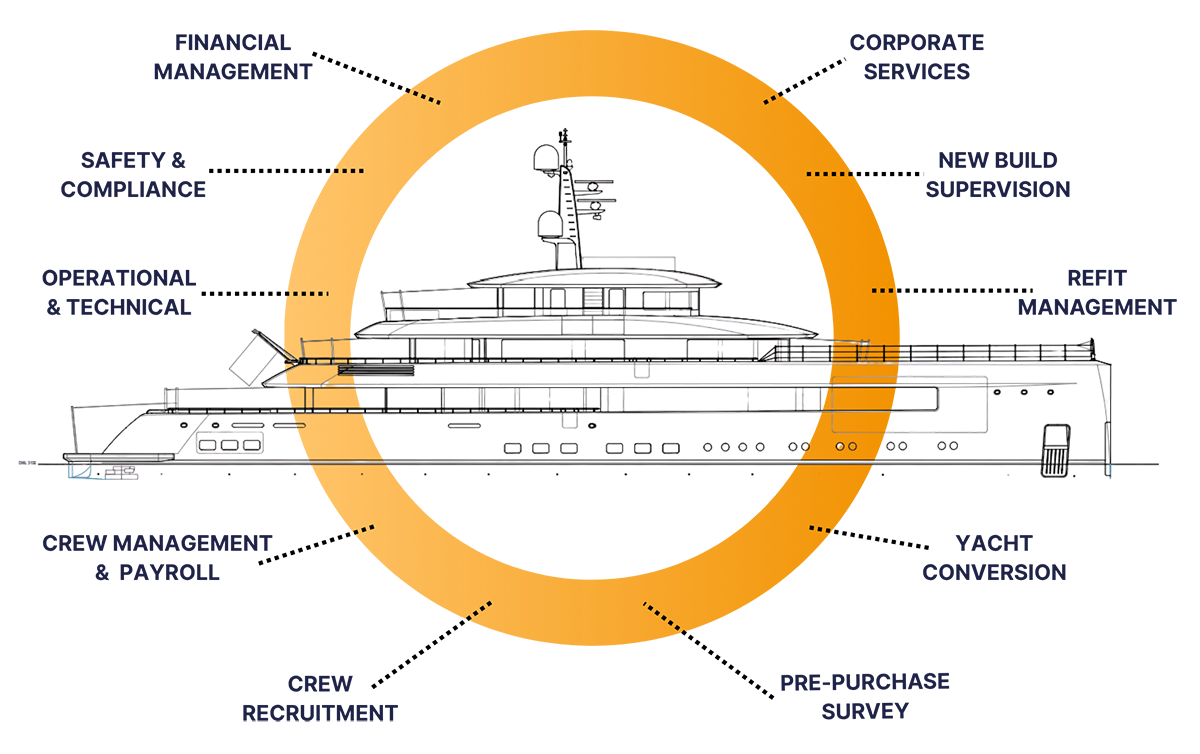
EXPLORE THE FULL RANGE OF JMS YACHTING SPECIALISED SERVICES
Over 200 Years’ Experience At Your Fingertips
Still Not Sure?
In life, you never know until you ask.
As Master Mariners, not sales people, we are here to guide you.