
JMS YACHTING
Solar Power Integration
Empowering Tomorrow with Renewable Energy
Comprehensive Guide to Solar Power Integration
Solar Power Integration refers to the process of incorporating solar energy systems into existing power infrastructures for residential, commercial, and industrial use. It focuses on converting sunlight into usable electricity through photovoltaic technology while ensuring compatibility with grid systems or standalone energy setups. This integration enhances power sustainability, reduces dependency on fossil fuels, and promotes a cleaner environment. With global emphasis on renewable energy adoption, Solar Power Integration enables smarter energy management, balancing production and consumption more efficiently. It also supports innovations like smart grids, battery storage, and hybrid systems, paving the way toward a resilient and sustainable energy future worldwide.
Understanding Solar Power Integration
Successful Solar Power Integration relies on several critical components, including solar panels, inverters, mounting structures, monitoring systems, and storage solutions. Panels capture sunlight and convert it into direct current, while inverters change that into alternating current suitable for use. Energy storage, often through advanced lithium-ion batteries, ensures electricity availability during non-sunny hours. Smart meters and energy management software monitor performance and optimize consumption patterns. These technologies together maximize efficiency, minimize transmission losses, and improve return on investment. Proper planning and smart integration of advanced components ensure that every unit of harvested solar energy contributes effectively to powering homes, businesses, and communities sustainably and economically.
Key Components and Technologies
The advantages of Solar Power Integration extend beyond cost savings, offering environmental and operational benefits. It significantly reduces greenhouse gas emissions and minimizes carbon footprints, aligning with sustainable development goals. Businesses adopting integrated solar systems can experience stable energy prices and long-term savings. Additionally, Solar Power Integration enhances grid reliability by distributing power generation sources, reducing overloads and blackouts. It encourages self-sufficiency and energy independence, especially in remote or off-grid areas. By adopting a well-structured integration strategy, users benefit from renewable electricity that ensures long-lasting operational efficiency while supporting cleaner, greener future energy models driven by technological and environmental responsibility.
Benefits of Solar Integration
Implementing Solar Power Integration requires detailed assessment, planning, installation, and maintenance. The process begins with an energy audit to identify consumption needs and available sunlight potential. Engineers design the layout, selecting optimal panels, inverters, and storage capacities. Installation follows structural and electrical standards, ensuring maximum safety and performance. Post-installation monitoring verifies system output and identifies optimization opportunities. Routine maintenance, such as panel cleaning and performance analysis, guarantees long-term reliability. Collaboration with certified professionals ensures compliance with local regulations and grid codes. Whether for homeowners or large enterprises, following every implementation step carefully helps achieve seamless Solar Power Integration that delivers consistent clean energy outputs.
Steps to Implement Integration
The future of Solar Power Integration lies in innovation and technological evolution. Advancements like smart grids, AI-driven monitoring, and improved battery technologies are reshaping how solar systems interact with power networks. Integration with electric vehicles, IoT devices, and community energy programs will strengthen decentralization and sustainability. Governments and industries worldwide are investing in research to enhance efficiency, durability, and flexibility of integrated solar infrastructure. As the global demand for renewables grows, Solar Power Integration will be central to achieving net-zero emission targets and energy equity. The coming decade promises smarter, connected solar ecosystems transforming global energy landscapes for future generations.
A FEW KIND WORDS
From our clients...
Captain, MY 45m Mangusta
You have done a fantastic job keeping track of all the receipts – I really appreciate how organized and accurate you’ve been! It’s been a pleasure working with you all, and I hope we’ll have the chance to collaborate again on a new project!
Chief Stewardess – MY 45m
Thank you so much for all your incredible help and patience – it’s been truly appreciated. I hope to be in touch again soon, wherever my next adventure at sea takes me. If not, thank you once more, Sophie. Stay safe and well.
Captain M/Y FEADSHIP
The financial management and reporting on our yacht has never been this accurate and on point as it is today with JMS Yachting.
Captain Jade 37m MY
I highly recommend Jansen Maritime Services to any yacht owner, captain, or industry professional looking for a management company that truly understands the intricacies of yachting. Their dedication, expertise, and seamless operations make yacht management stress-free, ensuring a world-class experience on the water.
Captain Alastair 55m MY
If you’re looking for a reliable, efficient, and highly professional yacht management company, look no further than JMS Yachting. I highly recommend them to any yacht owner who values exceptional service and a stress-free ownership experience!
Captain Marcus Boswell
I have worked extensively with Sam and JMS yachting over the past year, they have consistently presented excellent candidates for the positions that we have been looking to fill, who have been thoroughly vetted. They have been attentive to our requirements and assisted us in securing some excellent crew members, some at very short notice.
Captain Alex MY Khalilah
Our owner decided to change from private to commercial so we could charter Khalilah, we used JMS Yachting for the compliance management. The whole process ran smoothly, with JMS Yachting handling any issues with flag and class that arose, they also worked well in partnership with our charter brokers.
THE POWER BEHIND JMS YACHTING
Meet Your Worldwide Specialists
Effective global yacht management depends on being present and responsive in every time zone. Unlike many providers that rely on a single office with limited support desks, JMS Yachting operates from five fully resourced international locations. This ensures that Owners and Captains have access to comprehensive services, expertise, and decision-making power 24/7. By maintaining this global presence, JMS Yachting provides seamless continuity, offering the confidence that your yacht operations are supported by an experienced team wherever you sail.
Let us introduce you to the people behind your peace of mind – the specialists at JMS Yachting .





Solar Power Integration
See Some Of Our Clients’ Most FAQs

Solar Power Integration means embedding solar energy generation within power systems to supply electricity efficiently. It connects solar panels, inverters, and storage units, enabling renewable energy to supplement or replace traditional power sources in homes, businesses, or industrial applications while maintaining stability and performance.
Solar Power Integration helps reduce pollution by cutting greenhouse gas emissions. It replaces fossil fuel-based generation with renewable energy, which prevents harmful carbon outputs, conserves natural resources, and promotes sustainable energy practices that collectively contribute to a cleaner, healthier, and more balanced environment for the planet.
An integrated solar system generally includes photovoltaic panels, inverters, battery storage, mounting hardware, and software-based monitoring tools. Together, these components enable solar energy generation, conversion, storage, and distribution efficiently, ensuring reliable access to consistent, clean electricity compatible with existing electrical infrastructures and future innovations.
While the initial investment for Solar Power Integration may seem high, costs have steadily decreased due to improved technology and incentives. Over time, users gain energy independence, reduced utility bills, and long-term savings. Government subsidies and tax benefits further make installation financially practical for residential or commercial applications.
Yes, Solar Power Integration works effectively with off-grid systems through robust energy storage solutions. Batteries store excess generated energy for use during nights or cloudy conditions, ensuring seamless power supply. This makes solar integration ideal for remote locations lacking reliable grid connectivity or traditional energy infrastructure access.
Modern solar-integrated systems are remarkably reliable due to advanced design, efficient storage, and intelligent monitoring. They perform consistently across various weather conditions, ensuring steady energy supply. With proper maintenance and monitoring, Solar Power Integration provides dependable, sustainable electricity with minimal downtime or operational complications over time.
Future innovations include artificial intelligence for predictive maintenance, blockchain for peer-to-peer energy trading, and advanced energy storage materials. Integration with electric mobility and smart home technologies will enable greater efficiency and control, making Solar Power Integration more adaptive, intelligent, and accessible worldwide for sustainable energy.
New To Yacht Ownership?
Your most common questions, answered clearly.
View some of our clients most FAQs.
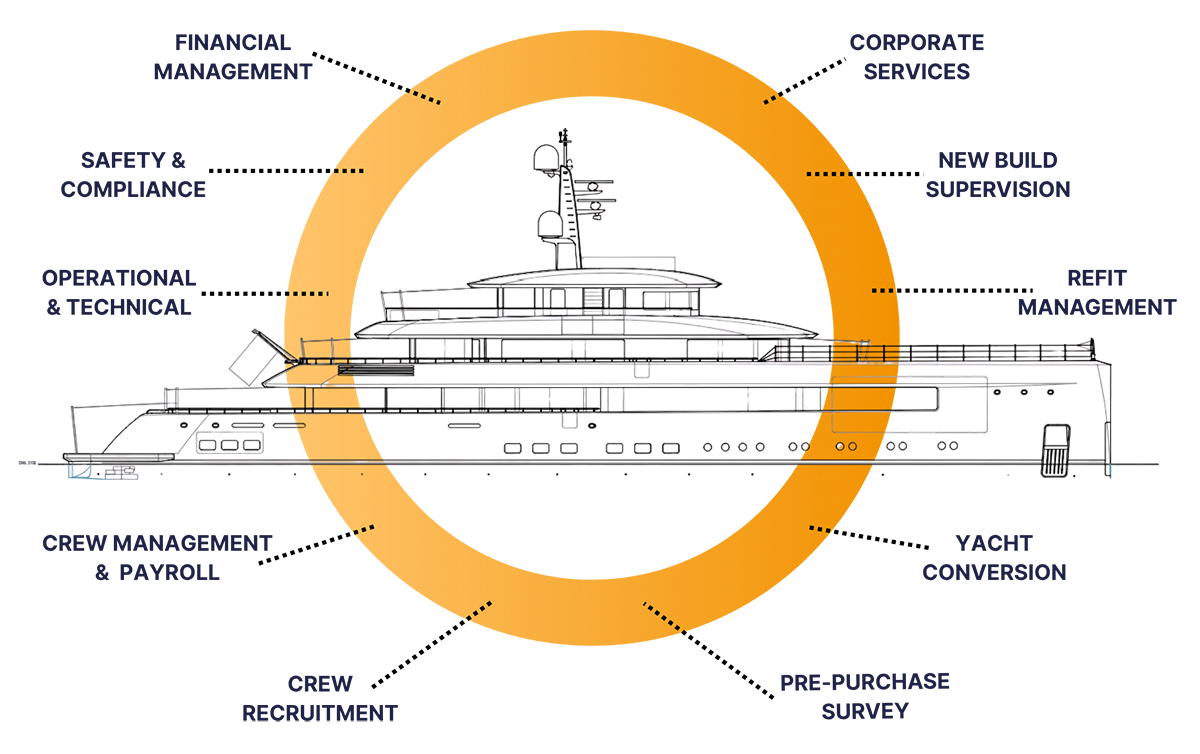
EXPLORE THE FULL RANGE OF JMS YACHTING SPECIALISED SERVICES
Over 200 Years’ Experience At Your Fingertips
Still Not Sure?
In life, you never know until you ask.
As Master Mariners, not sales people, we are here to guide you.