JMS Yachting

JMS YACHTING

Technical Documentation Control

Efficient Systems for Managing Engineering Documents

Comprehensive Guide to Technical Documentation Control

Technical Documentation Control refers to the structured process of organizing, managing, and maintaining engineering and technical documents within an organization. It ensures that all design drawings, procedures, reports, and manuals are properly reviewed, approved, distributed, and archived. This control system provides clear traceability, improves compliance with standards, and facilitates effective project communication. With industries growing increasingly complex, maintaining an accurate record of every document’s version has become vital. Proper Technical Documentation Control not only prevents information loss but also enhances productivity by enabling teams to access the right information promptly, ensuring consistent quality and operational efficiency.

Understanding Documentation Control

In today’s competitive environment, Technical Documentation Control plays a critical role across sectors such as manufacturing, construction, aerospace, and energy. Each of these industries depends heavily on precise documentation to meet regulatory, safety, and quality standards. A minor error caused by outdated or uncontrolled documentation can lead to costly rework or safety incidents. By implementing structured document control systems, organizations can maintain version integrity, reduce redundancies, and ensure compliance during audits. Moreover, efficient documentation processes foster collaboration among departments and external partners. As digital transformation continues, Technical Documentation Control becomes the backbone for data integrity and decision-making accuracy throughout a project’s lifecycle.

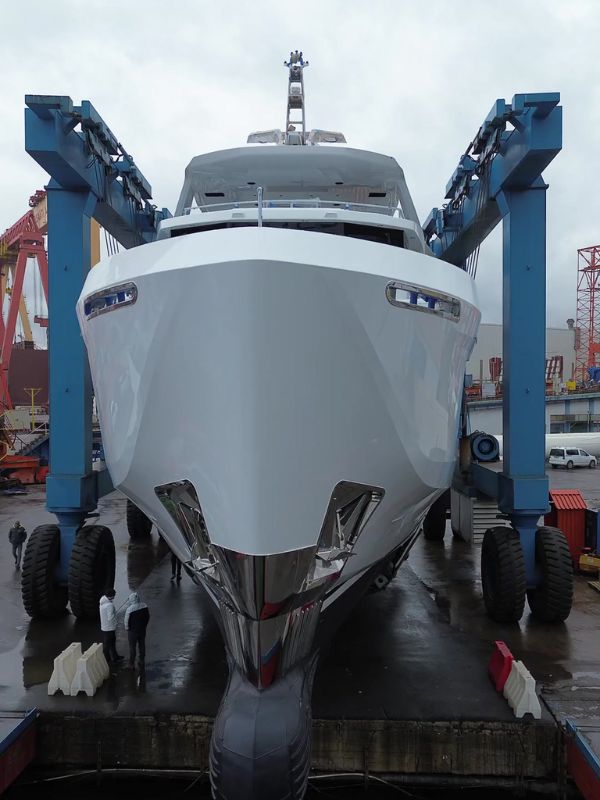
ADMIRAL 75M KENSHO OPERATIONAL & TECHNICAL

Importance in Modern Industries

The workflow of Technical Documentation Control involves several key stages: creation, review, approval, distribution, and archiving. During creation, documents are standardized according to organizational guidelines. Next, review and approval ensure technical validity and compliance. Controlled distribution manages accessibility, while archiving preserves records for future reference. This organized flow minimizes risks associated with uncontrolled modifications and miscommunication. Automation tools further streamline this process, enabling real-time updates, access permissions, and metadata tagging. By adopting a clear workflow, organizations can enhance overall transparency, reduce administrative overhead, and maintain document authenticity across multiple projects and departments.

ADMIRAL 75M KENSHO OPERATIONAL & TECHNICAL

Core Processes and Workflow

Advancements in digital platforms have revolutionized Technical Documentation Control. Software systems now provide centralized repositories, version tracking, and secure access management. Cloud-based solutions enable global collaboration, allowing teams to share and review files from anywhere. Integration with project management and enterprise resource planning systems ensures data consistency and workflow automation. Artificial intelligence adds value by categorizing documents and predicting necessary revisions. With these tools, businesses can eliminate manual errors, ensure traceability, and achieve seamless document lifecycle management. Investing in modern documentation control technology allows organizations to operate more efficiently, meet compliance standards, and secure valuable intellectual property assets.

ADMIRAL 75M KENSHO CREW RECRUITMENT

Tools and Technology Integration

Successful Technical Documentation Control implementation requires commitment from both management and staff. Establishing clear responsibilities, training employees, and setting document naming conventions are fundamental steps. Regular audits and version checks maintain discipline within systems, preventing unauthorized changes. Organizations should also create templates and approval hierarchies that align with regulatory requirements. Periodic system updates safeguard against technological obsolescence and security risks. Continuous improvement, supported by feedback loops, helps maintain accuracy and reliability. When integrated effectively, these practices reduce project delays, strengthen compliance readiness, and foster knowledge retention, ensuring a sustainable documentation ecosystem that aligns with long-term organizational goals and quality standards.

ADMIRAL 75M KENSHO CREW RECRUITMENT

A FEW KIND WORDS

From our clients...

THE POWER BEHIND JMS YACHTING

Meet Your Worldwide Specialists

Effective global yacht management depends on being present and responsive in every time zone. Unlike many providers that rely on a single office with limited support desks, JMS Yachting operates from five fully resourced international locations. This ensures that Owners and Captains have access to comprehensive services, expertise, and decision-making power 24/7. By maintaining this global presence, JMS Yachting provides seamless continuity, offering the confidence that your yacht operations are supported by an experienced team wherever you sail.

Let us introduce you to the people behind your peace of mind – the specialists at JMS Yachting .

Franc Jansen, team member at JMS Yachting

Franc Jansen

Founder, Managing Director

Sam Thompson, team member at JMS Yachting

Sam Thompson

Group Commercial Director

Technical Documentation Control

See Some Of Our Clients’ Most FAQs

Yacht-related image from JMS Yachting website
What is Technical Documentation Control used for?

Technical Documentation Control is used to manage, organize, and secure technical data throughout a project’s lifecycle. It ensures document accuracy, accessibility, and compliance with standards, while maintaining version control and preventing duplication or information loss across departments and stakeholders.

Why is Technical Documentation Control important?

It is important because it ensures data accuracy, reduces errors, and supports compliance with industry standards. Effective Technical Documentation Control also enhances collaboration, protects intellectual property, and guarantees that teams always work with the latest approved documents during project execution.

Which industries need Technical Documentation Control most?

Industries such as manufacturing, aerospace, construction, energy, and engineering rely heavily on Technical Documentation Control. These sectors require precise documentation to meet regulatory guidelines, ensure safety, and maintain consistent operational procedures across multiple projects and international teams.

What are the main features of documentation control systems?

The key features include version tracking, secure access management, review workflows, automated notifications, and digital archiving. Advanced Technical Documentation Control systems also offer role-based permissions, metadata tagging, and integration with project management tools for enhanced efficiency and compliance.

How does automation improve document control?

Automation enhances Technical Documentation Control by reducing manual errors, speeding up approvals, and maintaining version accuracy. Automated workflows ensure real-time updates, controlled distribution, and audit readiness, allowing organizations to save time and maintain consistent documentation standards across projects.

What challenges occur without proper documentation control?

Without proper Technical Documentation Control, teams may face duplication, outdated information, regulatory non-compliance, and miscommunication. These issues can delay projects, cause costly rework, and compromise data integrity, significantly affecting operational performance and overall project quality standards.


How to implement an efficient documentation control system?

Begin by defining document procedures, assigning responsibilities, and adopting specialized software. Train employees, set standard templates, and perform regular audits. Efficient Technical Documentation Control implementation relies on consistent monitoring, clear communication, and integration with existing business and quality systems.

New To Yacht Ownership?

Your most common questions, answered clearly.

View some of our clients most FAQs.

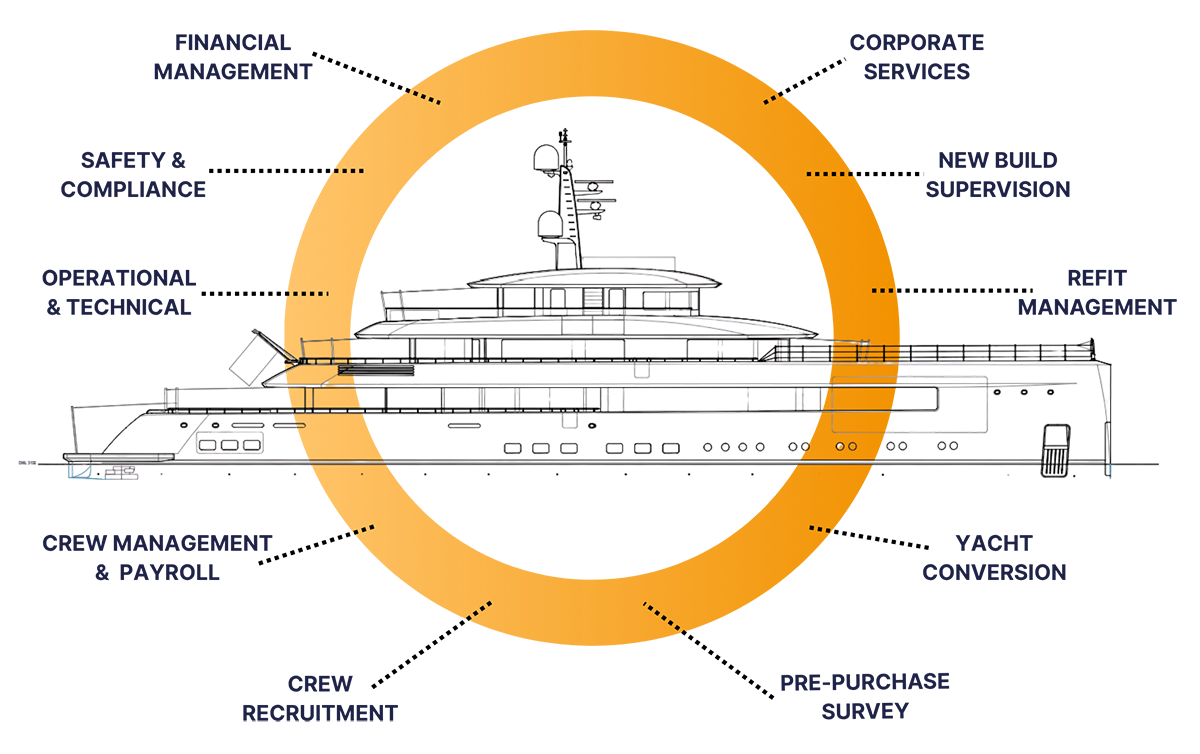
EXPLORE THE FULL RANGE OF JMS YACHTING SPECIALISED SERVICES

Over 200 Years’ Experience At Your Fingertips


Discover more

Discover more

Discover more

Discover more

Discover more

Discover more

Discover more

Discover more

Discover more

Discover more
JMS Yachting circular brand graphic

Still Not Sure?

In life, you never know until you ask.

As Master Mariners, not sales people, we are here to guide you.

How can we help?

Name
Preferred Office Location